Ultimate Sous Vide Recipe Book for Beginners Review
Introduction
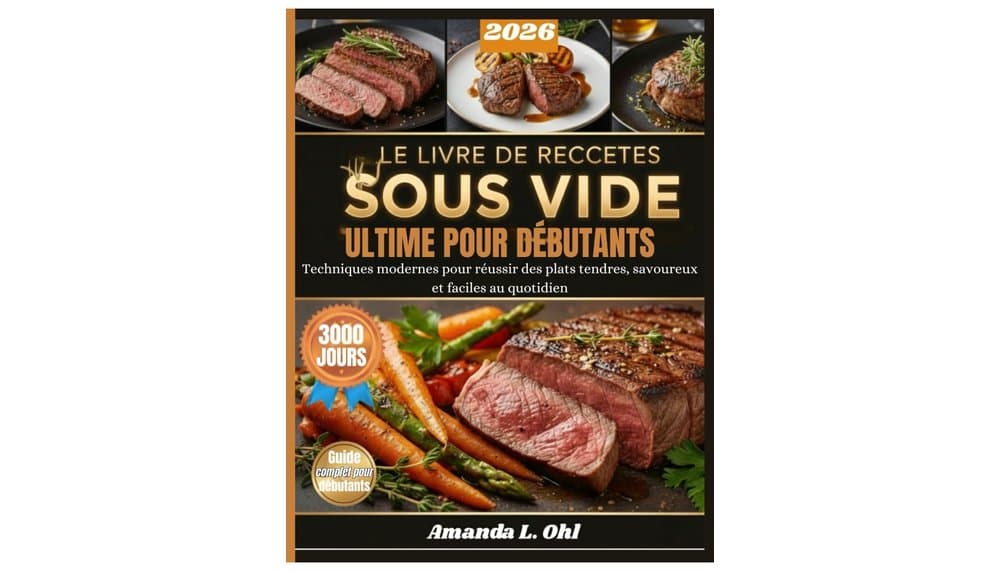
In the world of sous-vide cooking, where thermal precision and stability reign supreme, the equipment is not everything. Once the water bath is connected and the vacuum sealed, the cook, beginner or experienced, is faced with an essential question: "And now, what do I cook, and how?" The book LE LIVRE DE RECETTES SOUS VIDE ULTIME POUR DÉBUTANTS presents itself as the guide to bridge the gap between the technical tool and the plate. It is not a measuring device, but an application manual. Our analysis will therefore focus on its ability to effectively guide a beginner in mastering the fundamentals of sous-vide cooking, to propose recipes that exploit the precision of this technique, and to serve as a reliable companion for culinary projects ranging from quick steak to 24-hour or longer cooks.
Strengths
The main appeal of this book lies in its resolutely beginner-focused approach. It promises to demystify a technique that can seem intimidating. Based on its title and positioning, it emphasizes simplicity and everyday accessibility.
Another potential strength is its focus on the tender and flavorful results characteristic of sous-vide cooking. A good beginner's book must explain not only the "how," but especially the "why" these results are superior—for example, how precise temperature control preserves juices and allows collagen to melt without toughening proteins.
Finally, the promise of modern techniques suggests it could go beyond classics (steak, chicken) to touch on preparations that truly exploit the unique potential of low-temperature cooking, such as infusions, yogurts, or vegetables with innovative textures.
Weaknesses
The most glaring weakness, and one repeatedly highlighted by early users, is its complete lack of photographs. In a cookbook, and especially for a novice audience, images are crucial. They serve as a guide for preparation, proof of the final result, and a source of inspiration. A black and white book, described as a simple succession of text, struggles to illustrate the transformation and beauty of dishes made sous-vide.
This shortcoming is exacerbated by feedback on the presentation and layout, described as disappointing and monotonous ("the recipes follow one after another..."). For a beginner, a clear, airy, and visually engaging structure is essential to maintain interest and facilitate reference during cooking.
Finally, although the title mentions "Ultime," its content might not meet the expectations of more experienced enthusiasts looking for advanced techniques, detailed scientific explorations, or high-end recipes. Its target audience is clearly defined.
Detailed Analysis of Content and Approach
For the True Beginner: Fundamentals and Pedagogy
What interests us here is whether the book serves as a true tutorial. A good beginner's manual must imperatively cover:
- Food safety basics (pasteurization, holding times for meats, vacuum management).
- The equipment guide: how to choose a circulator (precision, water flow, noise), a vacuum sealer (suction type vs. chamber, suction power, moisture management) and finishing tools (torch, cast iron pan). The book should help the reader understand why these specs are important.
- Practical logistics: how to set up the water bath, minimize evaporation during long cooks (+24h), use weights to submerge foods.
Based on feedback, the book seems to focus on the sequence of recipes. This raises a question: has a beginner received enough theoretical foundations to adapt recipes or understand a failure?
Structure and Progression of Recipes
The promise of "easy everyday dishes" requires a logical progression. One expects the book to start with "indestructible recipes" that demonstrate the added value of the technique: a perfectly juicy pork tenderloin, soft-boiled eggs with the exact texture, intensely green vegetables. Then, it should gradually introduce concepts like vacuum marinades (where the vacuum accelerates flavor penetration) and medium-length cooks (6-12h) for braising cuts. Finally, to show the full potential, it could address 24+ hour projects like melting short ribs or duck confit. The question is: does this progression exist, or are the recipes simply listed?
Precision and Technical Details: The Sous-Vide Angle
This is the heart of our analysis. A serious book on the subject must give, for each recipe, precise temperatures and time ranges. It's not about "cook over medium heat." The sous-vide community demands data like "55.5°C for 1h30 for a rare steak" or "72°C for 24h for a pork shoulder." It must also address finishing – a critical step. How to get a perfect crust with a cast iron pan without overcooking the interior? What torch technique to use? A beginner's book that neglects this step leaves its reader with gray, pale proteins, lacking that essential caramelization.
What Users Say
The available reviews, although few at this stage, paint a very clear and polarized trend.
The recurring positive points focus on the overall rating of 3.9/5 stars, suggesting that some readers found the textual recipe content useful. Some probably appreciate the direct, no-frills approach and the focus on instructions.
However, the negative criticisms are severe and specific. The main complaint is unanimous: the lack of photographs. Users speak of disappointment ("déçu"), and note that the book is entirely in black and white. This lack of visual elements is perceived as a major flaw for a modern cookbook, especially aimed at novices who need visual cues.
The second criticism concerns the layout and density. The phrasing "the recipes follow one after another" indicates a lack of attractive visual structure, breaks, highlighted boxes, or tips. This gives the impression of a raw text document rather than a book carefully designed for the user experience in the kitchen.
In summary, the community of early buyers validates the potential usefulness of the written content but categorically rejects its physical presentation, which significantly impacts the enjoyment of use and its inspirational role.
Specification Table (Book Analysis)
| Criterion | Assessment for "LE LIVRE DE RECETTES SOUS VIDE ULTIME POUR DÉBUTANTS" |
|---|---|
| Target Audience | Absolute beginners in sous-vide cooking. Limited for experienced users. |
| Pedagogical Approach | Apparently focused on immediate practice via recipes. The basic theory is not clearly highlighted based on feedback. |
| Data Precision | (To be verified in the book) Essential. Must provide exact temperatures and time ranges. |
| Technical Coverage | Should cover safety, equipment, finishing. The emphasis seems to be on recipes alone. |
| Progression | Promises easy everyday dishes. The presence of a structured pedagogical progression is not confirmed. |
| Design & Presentation | Major weakness. Black and white, absence of photos, layout described as monotonous. |
| Long Recipes (+24h) | The "ultime" title suggests it, but not specified. A good book should include them. |
| Value for Money | Indeterminate without price, but perceived value is diminished by the lack of illustrations. |
Conclusion
LE LIVRE DE RECETTES SOUS VIDE ULTIME POUR DÉBUTANTS is a double-edged product. On one hand, it addresses a real need: providing culinary guidelines to exploit sous-vide cooking equipment. Its textual content seems solid enough to receive an overall decent rating from some users who prioritize raw information.
However, its main flaw is a deal-breaker for many in the modern culinary domain: the complete absence of visual elements. In a world where precision leads to often spectacular results (perfectly pink meats throughout, flawless textures), not showing these results is a serious omission. The layout perceived as dense and monotonous doesn't help.
Our recommendation is therefore nuanced. If you are a purely pragmatic beginner, looking only for a list of times and temperatures to get started, and reading recipes without images doesn't deter you, this book can provide operational basics. On the other hand, if you need a source of visual inspiration, a well-structured pedagogical guide with step-by-step and result photos, or if you value the "cookbook" experience as a whole, you risk being deeply disappointed, like a significant portion of the first readers.
It fulfills a minimal utility function, but struggles to embody the "ultime" and inspiring character its title promises. To truly accompany a beginner in discovering precision cooking, a work combining technical rigor and visual appeal remains preferable.
100% free and independent — All our articles are written independently, without any sponsorship. We may earn a commission on purchases made through our links, at no extra cost to you.
Articles you might like
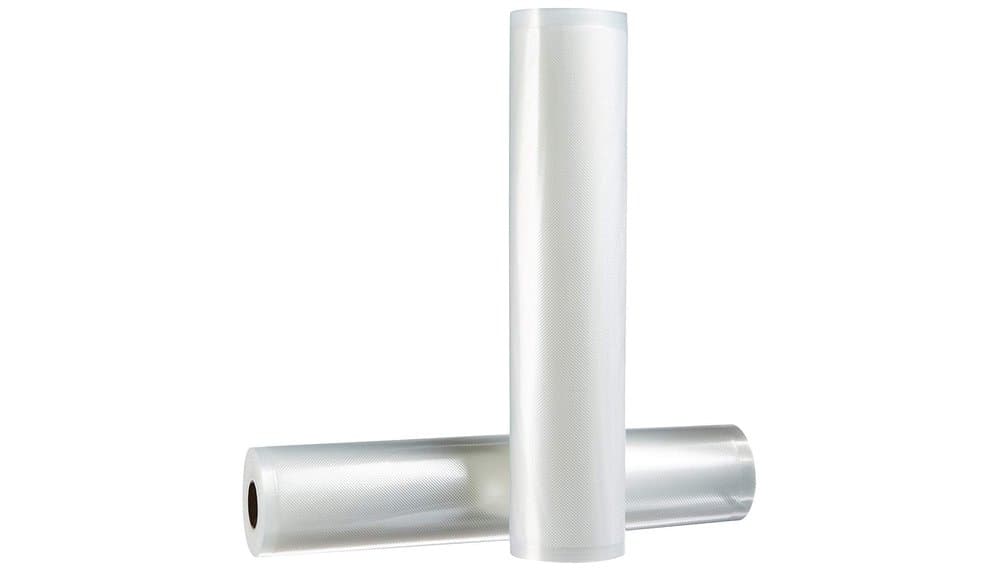
Amazon Basics Reusable Vacuum Sealer Rolls Review
Amazon Basics reusable vacuum sealer rolls review: Are these generic, economical rolls up to the task for sous vide precision cooking?
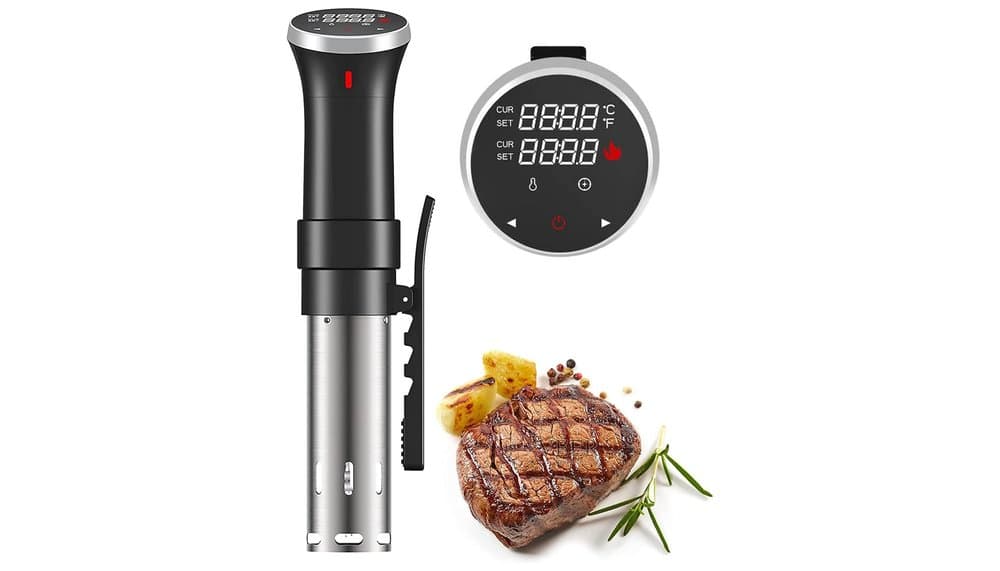
Fityou HU-XI-201 Immersion Heater Vacuum Cooker Review
The Fityou HU-XI-201 sous vide immersion circulator: an accessible, touch-screen model for home cooks seeking precise, budget-friendly temperature control.
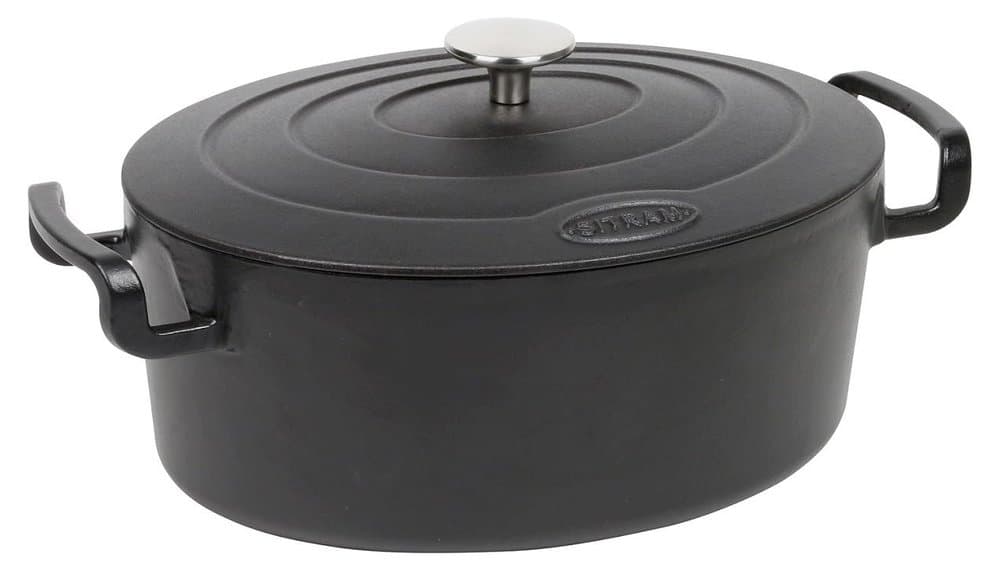
Sitram Sitrabella Enameled Cast Iron Oval Casserole Review
Master cast iron cooking: Our review of the classic Sitrabella Dutch oven for perfect low-temperature braising and traditional finishing at home.
Guides you might like
Bell Jar Vacuum Sealer Buying Guide
Upgrade to a chamber vacuum sealer for professional sous-vide results at home. Perfect for liquids and flawless, long-lasting seals.
Best Beginner Sous Vide Kit
Find the perfect sous-vide starter kit on a budget. Learn the three essential features to look for to cook your first perfect steak without the headache.
Best Vacuum Bags
Choose the right vacuum sealer bags for perfect results. Learn key specs like heat resistance, thickness, and barriers to avoid culinary disasters.