Amazon Basics Reusable Vacuum Sealer Rolls Review
Introduction
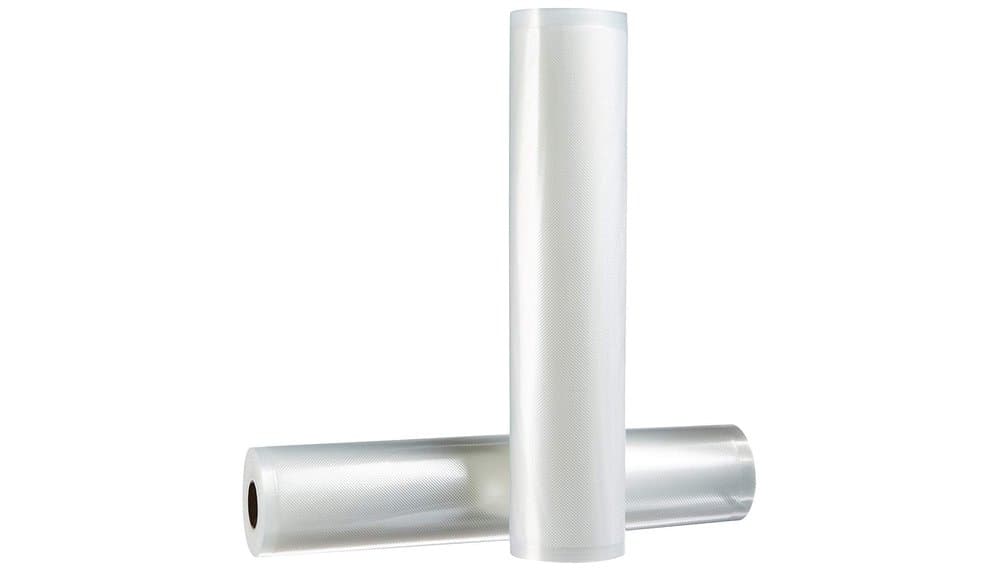
In the world of precision cooking, vacuum sealing is not just a simple preservation step; it's a fundamental pillar. The quality of the bag is what separates your preparation from the water bath, ensuring perfect heat transfer, impeccable hygiene, and total product integrity during long cooks. Amazon Basics Reusable Vacuum Sealer Rolls present themselves as a generic and economical solution for creating custom-sized bags. But in a context where precision is king, do these rolls live up to their promises against the technical demands of sous-vide cooking? We will dissect this product from the angle of efficiency, reliability, and compatibility with the demanding practice of temperature-controlled cooking.
Key Strengths
- Versatility and Size Economy: The ability to create custom-sized bags, from a small individual portion to a large cut of meat, is a major advantage. It eliminates material waste and perfectly adapts to the size of the food.
- Broad Compatibility: According to the manufacturer's specifications, these rolls are designed to work with a very wide range of external suction vacuum sealers, from mainstream brands (FoodSaver, Krups) to lesser-known models. This interoperability is a considerable asset.
- Claim of Reusability: The material is advertised as reusable, which, if confirmed in practice, radically changes the economic and environmental calculation compared to single-use bags.
- Perceived Robust Construction: User feedback often reports a durable and hard-to-tear material, with thin edges that facilitate insertion into machines.
Weaknesses
- Lack of Certification for Prolonged High Temperatures: No technical information specifies the exact heat resistance (e.g., FDA compliance for continuous immersion at 90°C+), a crucial point for long cooks.
- Total Dependence on Sealer Performance: The quality of the sealed seam and the final airtightness depend entirely on the user's machine. A weak point if the sealer is of average quality.
- Less Convenient Handling Than Pre-Made Bags: You must cut, seal one side, and then after filling, proceed with the vacuum sealing. It's an extra step that requires a bit of organization.
- Unspecified Thickness: The film thickness (often expressed in "mils" or microns), a key indicator of resistance to shocks and perforation during 24h+ cooks, is not communicated.
Detailed Analysis for Sous-Vide Cooking
Compatibility and Performance with Sealers
This is the first point to verify. Amazon Basics Reusable Vacuum Sealer Rolls are designed exclusively for external suction vacuum sealers. They are not suitable for chamber vacuum sealers, which require bags with thicker walls and no ridged texture. This distinction is crucial.
For external suction machines, the advertised compatibility is excellent. Community feedback confirms that the rolls work with entry-level models as well as established brands. Their technical strength, noted by several users, is their thin edge profile. This allows for proper insertion into the suction channel and positioning on the sealing bar, even on machines with a reduced form factor, maximizing the chances of getting an airtight seal on the first try.
Seal Quality and Long-Term Airtightness
In sous-vide, the seal is the lifeline of the food. Reviews converge: when the machine is correctly adjusted (appropriate sealing temperature and duration), the seal created with these rolls is described as solid and uniform. The weld appears durable and does not show random weaknesses, a defect sometimes encountered with low-grade films.
Airtightness is the real test. For standard cooks (1 to 4 hours), feedback indicates reliable performance with no reported failures. The critical question arises for prolonged cooks beyond 12 hours, where hydrostatic pressure, movement in the bath, and constant heat stress the material and the seal. No massive feedback reports systematic failure on long cooks, which is a good sign. However, the absence of precise technical data on the plastic composition prevents us from guaranteeing its performance against very hot fats or sharp bones over extreme durations (48h-72h). Caution is advised for these edge cases.
Heat Resistance and Food Safety
The product is advertised as "ideal for sous-vide cooking" and "suitable for boiling water." This is the bare minimum. For our practice, we need more. A film suitable for sous-vide must maintain its integrity and not leach components into the food at temperatures between 40°C and 90°C, sometimes for days.
The fact that the film is BPA-free is a basic requirement today, not a distinction. What interests us is its thermal stability. Reviews do not report problems with melting, seal softening, or strange taste after cooking, suggesting correct stability under common usage conditions. However, for the expert user who pushes the limits, the absence of specific certifications (like those found on films dedicated to professionals) represents a lack of transparency.
Moisture and Liquid Management
This is often the weak point of external suction machines. Fortunately, the strategy with a roll is identical to that with a pre-made bag: it is possible, and recommended, to freeze liquids before sealing (for a sauce or marinade), or to use the "no vacuum" or "pulse" function to manually control air extraction before liquids reach the sealing barrier. The material itself, according to feedback, does not seem to have a particular weakness when in contact with fluids. Its reusability after washing, as advertised, implies it withstands cleaning well.
Value for Money and Flexibility
This is undoubtedly the area where this product excels. Buying film on a roll is almost always more economical per square centimeter than buying pre-made bags. The ability to create a perfectly sized bag eliminates waste of space (in the freezer) and material. For the regular sous-vide cook, whether for portioning large cuts of meat or preparing side vegetables in advance, this flexibility is unmatched. The promise of reuse, if effective over several cycles (washing, re-sealing), further strengthens this economic advantage.
Synthesized Technical Specifications
| Characteristic | Detail |
|---|---|
| Product Type | Vacuum sealer film roll (external suction) |
| Contents | 2 rolls of 500 cm length each |
| Usable Width | 28 cm |
| Material | Plastic (Polyethylene/Nylon type) BPA-free |
| Compatibility | External suction vacuum sealers (extensive list provided) |
| Heat Resistance | Advertised as suitable for sous-vide cooking and boiling water |
| Features | Reusable, Microwave-safe, BPA-free |
| Packaging | Individual rolls in plastic wrap |
What Users and the Community Say
Analyzing thousands of reviews gives a clear and predominantly positive picture, with a few notes of caution.
Dominant Positive Trends:
- General Reliability: The vast majority of users (reflected in the 4.6/5 rating) find them perfectly functional. Comments like "works perfectly," "seals well," "airtight" are recurrent.
- Value for Money: The word "economical" comes up often. Users appreciate the cost per meter and the length of the rolls.
- Compatibility: Many reviews confirm they work with various sealer brands, including low-cost models, which reassures about the product's adaptability.
- Perceived Durability: The material is often described as thick, durable, and hard to tear by hand. One user even notes using them to protect 3D printer filament from humidity, demonstrating confidence in their airtightness.
Raised Points of Attention:
- Dependence on the Machine: A few reviews indirectly remind that the final result depends on the quality of the sealer. No intrinsic flaw of the film is pointed out, but the result is a system (machine + film).
- Lack of Detailed Instructions: Some novice users would have appreciated more guidance on how to cut and seal effectively, although the process is standard.
- Conditional Reuse: While reusability is advertised, few reviews detail the possible number of cycles. This implies occasional reuse rather than intensive, repeated use on the same bag.
No massive feedback reports failure during sous-vide cooking (melting, leaking), which, in the context of this community, is an extremely positive sign regarding their suitability for the primary use of interest here.
Conclusion
Amazon Basics Reusable Vacuum Sealer Rolls are a reliable, economical, and very well-designed product for the vast majority of home sous-vide cooking applications. Their strength lies in their effective simplicity: a robust, well-cut film that works with most machines on the market and allows total format freedom.
For the beginner who wants to move beyond zip-lock bags, they represent an excellent entry point to discover the advantages of custom sizing without breaking the bank. For the enlightened amateur who cooks regularly, they are a safe bet and a reliable supply for all standard cooks and the majority of long cooks.
However, for the expert or professional user who demands perfect material traceability, specific certifications for high temperatures over extreme durations (beyond 24h with aggressive elements), or who systematically uses a chamber vacuum sealer, these rolls show their limits. They do not provide the written technical guarantees of specialized high-end films.
In summary, if you use an external suction machine and do not regularly push the limits of sous-vide cooking to its extremes (time, temperature, food shape), these rolls are likely the most rational and high-performing solution for your practice. They do exactly what is expected of them, with a consistency that explains their excellent reputation.
100% free and independent — All our articles are written independently, without any sponsorship. We may earn a commission on purchases made through our links, at no extra cost to you.
Articles you might like
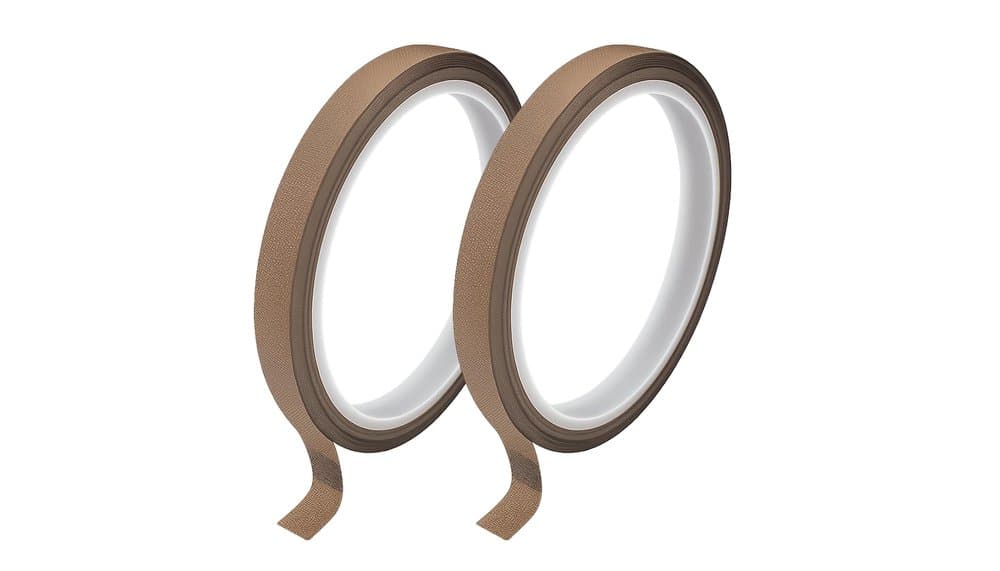
Vacuum Sealer PTFE Tape: Performance Test & Review
Discover how high-temperature PTFE tape is the secret weapon for maintaining and sealing your vacuum sealer, ensuring perfect sous-vide results every time.
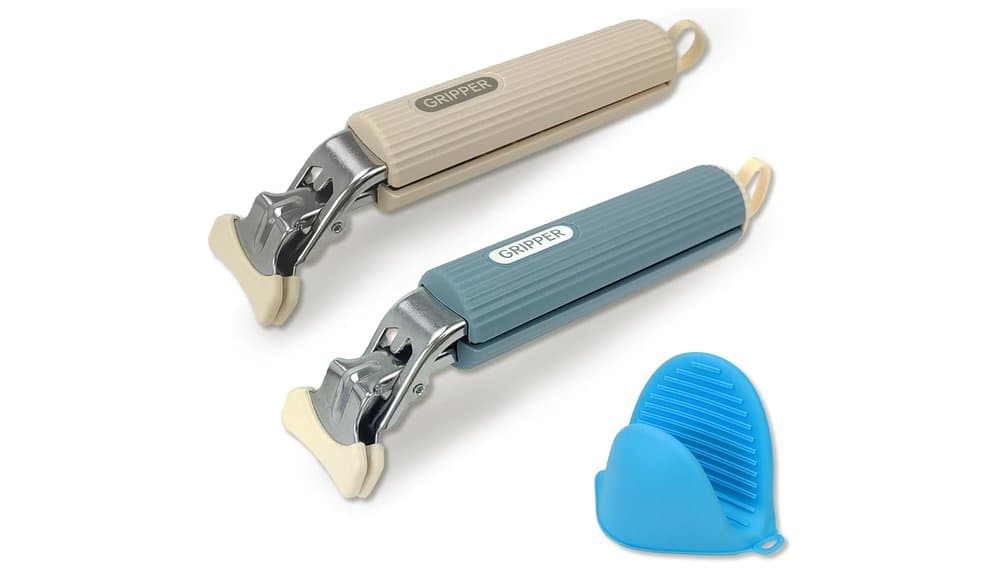
YYMT Kitchen Silicone Tongs Review
High-heat silicone tongs safe for non-stick cookware. Durable alternative to metal or plastic for grilling, cast iron, and sous-vide finishing tasks.
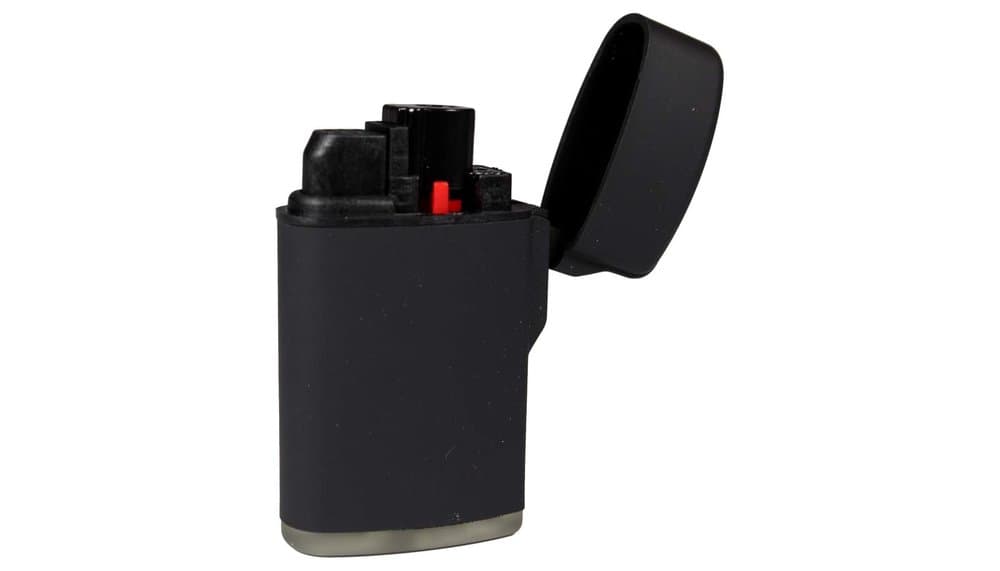
Bulentini ZORR Lighter Test: Rugged & Reliable?
The best budget torch sear for sous vide? A review of the compact Bulentini ZORR Lighter for finishing steaks perfectly.
Guides you might like
Bell Jar Vacuum Sealer Buying Guide
Upgrade to a chamber vacuum sealer for professional sous-vide results at home. Perfect for liquids and flawless, long-lasting seals.
Best Beginner Sous Vide Kit
Find the perfect sous-vide starter kit on a budget. Learn the three essential features to look for to cook your first perfect steak without the headache.
Best Vacuum Bags
Choose the right vacuum sealer bags for perfect results. Learn key specs like heat resistance, thickness, and barriers to avoid culinary disasters.