Sitram Sitrabella Enameled Cast Iron Oval Casserole Review
Introduction
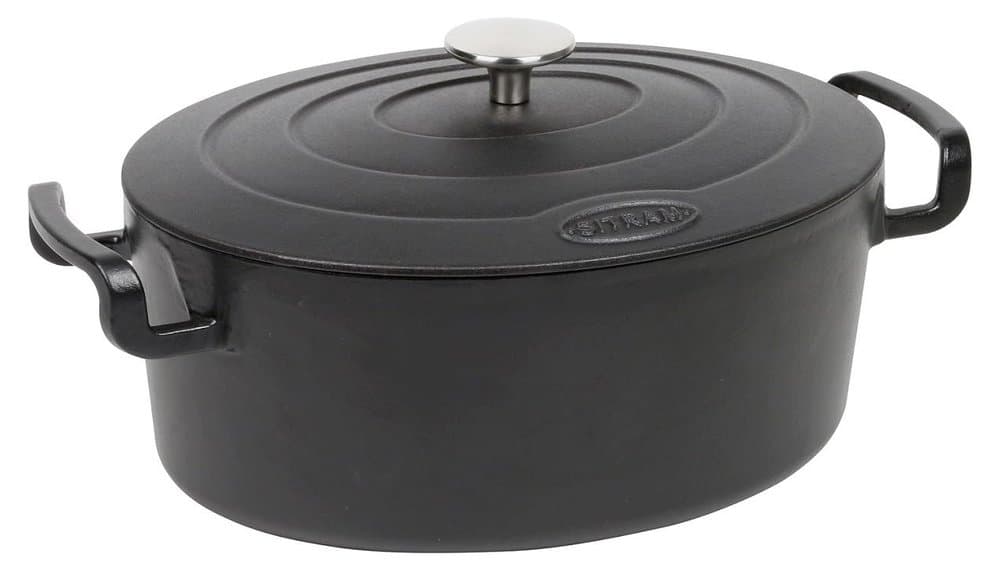
On a site dedicated to the precise mastery of cooking, we typically analyze connected immersion circulators and sous vide cookers. Today, we are shifting gears to examine a tool for low-temperature cooking and finishing, but in the most traditional sense: the cast iron Dutch oven. The Sitram Sitrabella Casserole en Fonte Émaillée Ovale is a French classic, often presented as a robust alternative to premium brands. The goal of this analysis is to assess its relevance for the precision cooking enthusiast, whether for long, controlled braising or as a complement to sous vide preparation.
For the precise cook, a cast iron Dutch oven is not an electronic device. Its "specifications" are measured in thermal stability, heat retention, and cooking uniformity. It is precisely from this angle that we will dissect the Sitrabella, relying on its technical characteristics, community feedback, and available expert analyses.
Strengths
Based on available data, the Sitram Sitrabella stands out due to several major assets for demanding cooking.
Its absolute versatility is its first selling point: compatible with all stovetops (gas, induction, electric) and the oven without temperature limit. This universality makes it a perfect transition tool from the stovetop to oven finishing, ideal for searing then braising, or for slowly browning a roast at a controlled low temperature.
The heat retention and diffusion of the enameled cast iron are unanimously praised. The material, massive and dense, acts as a thermal accumulator. Once at temperature, it maintains it with remarkable consistency, allowing for simmering over several hours on very low heat with minimal fluctuations. It's the analog equivalent of a ±0.1°C stability for a sous vide appliance.
Its oval 6.5-liter shape is another strategic advantage. It is designed to optimally accommodate oblong cuts of meat or whole poultry, which promotes even circulation of juices and homogeneous cooking.
Finally, the community and testers agree on the perceived robustness of its construction. Made of "cast steel" by injection and enameled in one piece, it exudes an impression of solidity and durability that justifies its considerable weight.
Weaknesses
While the Sitrabella excels in its basic functions, some compromises emerge from user feedback, particularly regarding handling and finish.
The substantial weight is the most frequent critical point. At nearly 7 kg when empty, handling can be physical, especially when it is full and hot. This requires a certain vigilance during transport and can make cleaning less easy. This is an inherent characteristic of quality cast iron, but it must be taken into account.
Some expert comparisons and isolated reviews mention an enamel quality slightly below that of the absolute references in the premium segment. Although the enamel is reputed to be resistant and easy to clean, it might be a bit less "refined" or, in rare cases according to customer feedback, show a sensitivity to micro-chips on the edges of the lid after several months of intensive use, without any apparent impact.
Finally, the preheating time is longer than with an aluminum or stainless steel pot. The significant mass of cast iron must be heated gradually to avoid thermal shock and reach its working temperature. For the precise cook, this is a parameter to anticipate in preparation, not a weakness, but a characteristic of the material.
Detailed Analysis
Thermal Performance: Stability Incarnate
In the world of precision, the Sitram Sitrabella is not programmed, it is tamed. Its fundamental performance is its passive thermal stability. The mass of cast iron acts as a thermal flywheel. Based on user feedback and principles of physics, once brought to the desired temperature (e.g., 150°C for braising), it requires minimal energy input to maintain it, reducing the risk of localized overcooking and promoting a natural attenuation of small variations from the cooktop. It is a tool of choice for long "stewed" cooking or low-temperature oven roasts, where homogeneity is paramount.
Build Quality and Design
The one-piece construction and wide handles are recurring positive points. They offer a secure grip, even with oven mitts. The lid with interior ridges is a functional feature: it promotes condensation and the trickling of juices onto the food, naturally maintaining a constant level of humidity during hours-long cooking sessions. It is a very effective passive "aroma circulation" system.
The matte black interior enamel is appreciated for not requiring seasoning and for facilitating maintenance. Its relative non-stick aspect is sufficient for cooking with liquids but, as with any enameled cast iron, it requires the use of appropriate utensils (wood or silicone) to preserve its long-term integrity.
Versatility and Integration into a Precision Kitchen
For the sous vide enthusiast, this Dutch oven is not the primary cooking tool, but a formidable finishing and transformation tool. It is perfect for the post-sous-vide searing of a large piece of meat, or for making a finishing jus or sauce using the cooking juices. Its compatibility with induction makes it an ideal companion for modern cooktops, allowing precise control of the initial heating power.
Technical Specifications
| Characteristic | Detail |
|---|---|
| Model | Sitram Sitrabella 711092 (Oval 6.5L) |
| Material | Enameled cast steel (interior and exterior) |
| Capacity | 6.5 liters |
| Color (this model) | Matte black interior, Black exterior |
| Cooktop Compatibility | All cooktops: induction, gas, ceramic glass, electric |
| Oven Compatibility | Yes, without temperature limit |
| Weight | 6.99 kg (approximately) |
| Dimensions | 30.1 x 30.1 x 18.7 cm |
| Special Features | Lid with interior ridges, wide handles |
What Users Say
The synthesis of 248 customer reviews (average rating 4.6/5) and available expert analyses paints a very clear consensus.
The positive points return with great regularity:
- High overall satisfaction: The terms "superb," "perfect," "sturdy," "exceptional quality" are omnipresent.
- Cooking performance: Users are unanimous on the results: tender meats, even cooking, excellent simmering capabilities. One user reports a successful "low-temperature beef bourguignon in the oven."
- Value for money: It is frequently described as "very competitive," offering "the essentials" of high-end brands. One review notes: "Good quality for the price. In terms of heat distribution [...] it doesn't match a famous German brand [...] but it's still very decent."
- Ease of cleaning: The enamel is widely described as easy to clean.
The points of caution or criticism are less numerous but recurring:
- The weight: This is the most frequent remark, considered the "price to pay" for the quality.
- Enamel durability: A few isolated but detailed reports mention chips in the enamel on the rim of the lid after several months of normal use, without any identified impact. This suggests a possible sensitivity to micro-impacts or material fatigue on this specific part.
- Heating: The need to heat gradually is reiterated, which is a good practice for any cast iron.
Conclusion
The Sitram Sitrabella Casserole en Fonte Émaillée Ovale establishes itself as a serious and reliable tool for the cook concerned with precision and results. It does not replace an immersion circulator for the exact control of core temperature, but it is the ideal complement for the searing, simmering, and long-cooking phases where passive thermal stability and juice retention are paramount.
Its analysis reveals a product that fully embraces its identity: massive, robust, and high-performing. The compromises, such as the weight and an enamel that in rare cases might prove less infallible than that of the absolute top-tier brands, are clearly identified and largely outweighed by its culinary performance and excellent value for money.
For the precision cooking enthusiast looking to add a braising and finishing tool to their arsenal capable of lasting decades, the Sitrabella represents a reasoned and very solid choice. It simply requires respecting its characteristics: handling it with care due to its weight, heating it gradually, and maintaining it with appropriate utensils. In return, it will offer a remarkably stable and versatile cooking platform.
100% free and independent — All our articles are written independently, without any sponsorship. We may earn a commission on purchases made through our links, at no extra cost to you.
Articles you might like
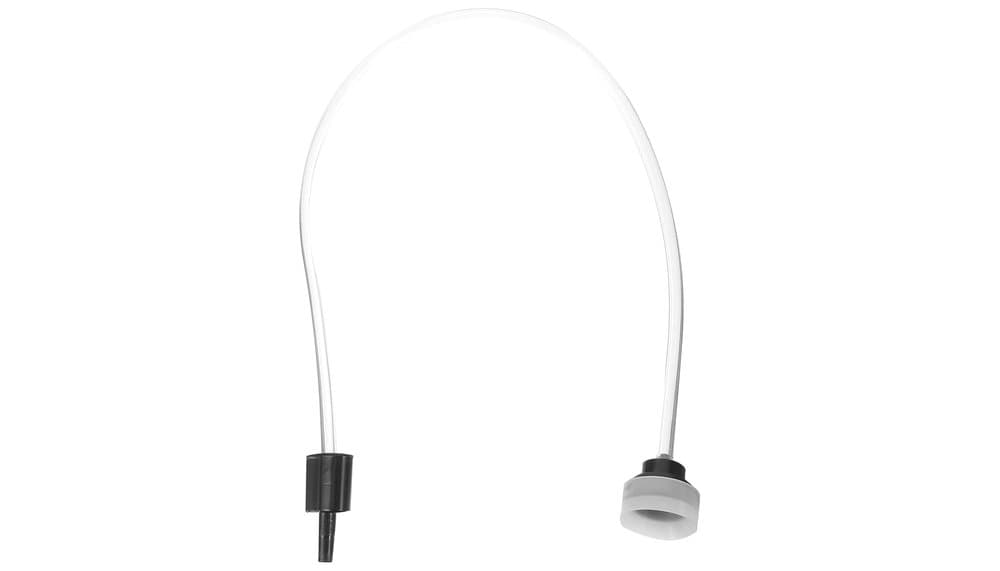
Housoutil Vacuum Tube for Orifice Sealer Review
Master sous-vide cooking with the Housoutil Vacuum Tube for 46-inch orifice sealer machines. Essential for safe, long-cook packaging integrity.
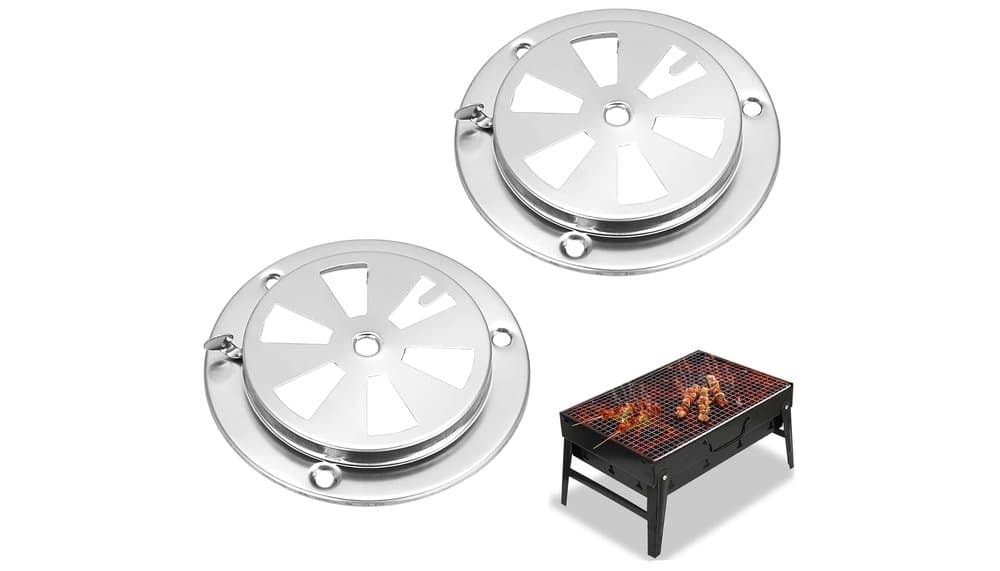
Stainless Steel Adjustable Air Vent Grilles Review
Gain oven, grill, or smoker control for finishing sous-vide meats with these adjustable stainless steel vent grilles. Precision cooking.
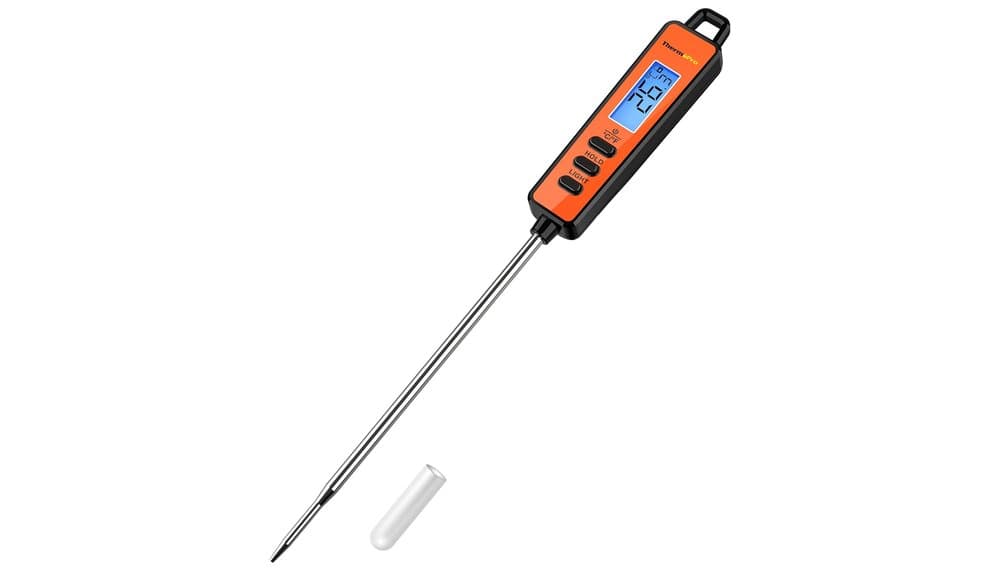
ThermoPro TP01S Digital Kitchen Thermometer Review
Precision cooking essential: Reviewing the ThermoPro TP01S instant-read digital thermometer for tasks like sous-vide, frying, and baking.
Guides you might like
Bell Jar Vacuum Sealer Buying Guide
Upgrade to a chamber vacuum sealer for professional sous-vide results at home. Perfect for liquids and flawless, long-lasting seals.
Best Beginner Sous Vide Kit
Find the perfect sous-vide starter kit on a budget. Learn the three essential features to look for to cook your first perfect steak without the headache.
Best Vacuum Bags
Choose the right vacuum sealer bags for perfect results. Learn key specs like heat resistance, thickness, and barriers to avoid culinary disasters.