WADEO Immersion Water Heater 2500W Review & Test
Introduction: A Generic Immersion Heater vs. the Demands of Precision Cooking
The WADEO Immersion Water Heater 2500W enters the market as a versatile electric immersion heater, promising rapid heating and temperature control. In the world of sous-vide and precision cooking, any device capable of heating and maintaining water at a set temperature naturally attracts attention. Could it be an economical alternative to dedicated sous-vide circulators? That is the central question of this analysis.
We will examine this device not as a simple camping water heater, but through the demanding lens of low-temperature cooking. We will assess its technical specifications, its potential for long-duration cooking, and compare its promises with concrete feedback from the community. The objective is clear: determine if the WADEO 2500W can find its place in a kitchen dedicated to precision, or if it remains limited to other uses.
Strengths
According to its technical sheet and positive feedback, the WADEO presents several strengths.
- High Heating Power: With 2500W, the device promises a rapid temperature rise, especially in modest volumes (10-15 liters). Users confirm this speed.
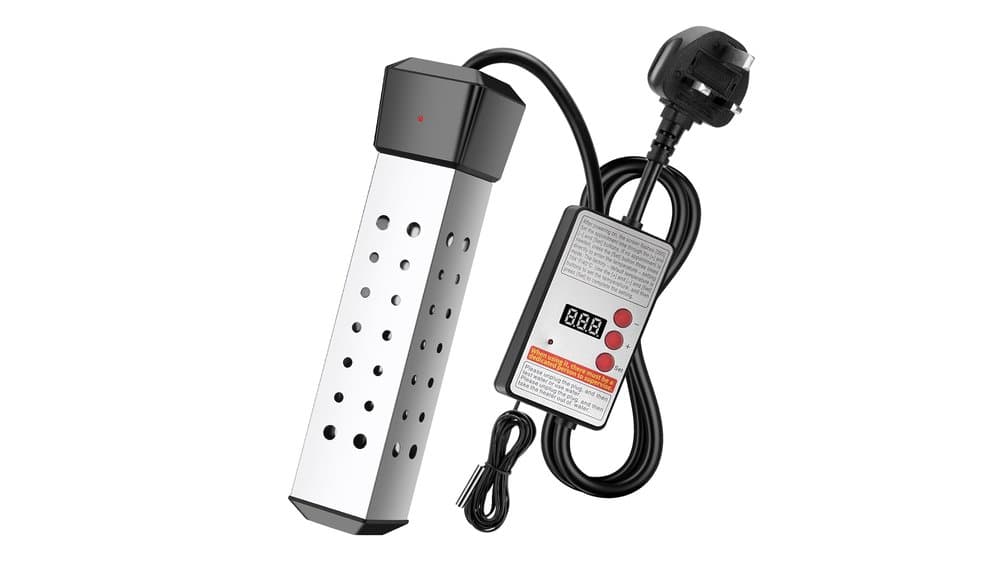
- Separate Temperature Probe: The presence of an external probe is a structurally positive point for more reliable temperature measurement than probes integrated into the heating element.
- Control Features: The device has an automatic shut-off with an alarm at the target temperature and a delayed start function. The digital display of the real-time temperature is also noted.
- Partially Robust Construction: The heating body made of 201 stainless steel and the PVC-sheathed copper cable are described as solid.
Weaknesses and Limitations for Sous-Vide Cooking
The very characteristics of the product and user feedback reveal critical limitations for use in precision cooking.
- Absence of Water Circulation: This is the major limitation. An immersion heater heats through stratification, creating hot zones around the element. Without a circulation pump, temperature homogeneity in the container is impossible, which is a deal-breaker for reliable sous-vide cooking.
- Uncertain Precision and Stability: Although a probe exists, one review notes that "the probe measurement is not taken into account in the heating process." Long-term stability (+/- 0.1°C or 0.5°C) is neither specified nor verifiable in the feedback.
- Unsuitability for Long Cooks (24h+): The manual itself recommends "avoiding continuous use for more than 2 hours". This warning eliminates any hope of using it for long cooks like pulled pork, 65°C eggs, or confit.
- Serious Questions About Safety and Waterproofing: Testers point out that the electronic control box appears non-waterproof, with an unprotected screen and a visible circuit board. For a device that must be immersed and potentially left unattended, this point is extremely concerning.
- Mount (Clamp) Design: The device is designed to rest at the bottom of a container, not to clip onto the edge of a vessel like a circulator. Its positioning and stability in a standard cooking container are poorly suited.
Detailed Analysis from a Precision Cooking Perspective
Thermal Precision and Homogeneity: The Fundamental Flaw
On paper, the specs announce control via a probe and reactivation if the temperature drops 5°C below the set point. For cooking, a 5°C tolerance is totally unacceptable. A true sous-vide circulator acts constantly with precision to a tenth of a degree. Worse, without circulation, the temperature read by the probe (to be placed "in the middle layer" according to the manual) does not reflect the temperature throughout the entire container, especially near the food. The risk of uneven cooking, or even bacterial growth in cold spots, is real.
Water Flow and Performance for Long Cooks: Lack of Functionality
Water flow is non-existent (no pump), which answers the first question. Regarding long cooks, the manufacturer's recommendation not to exceed 2 hours of continuous use is definitive. Even ignoring this instruction, doubts about the waterproofing of the electronics make its operation over 24 hours a potential risk to safety and reliability.
Design, Noise, and Connectivity
Build quality is mixed: the heating element seems robust, but the control box is subject to severe criticism regarding its protection. Noise level is not a problem since there is no pump motor. Regarding connectivity, there is of course no WiFi or app: control is manual on the device. The delay start function is practical for planning the start of water heating, but not for cooking with food already present in the bag.
Comparison with a Dedicated Sous-Vide Circulator
For a beginner tempted by an economical solution, it is crucial to understand the difference. A circulator like those from Anova, Joule, or Nomiku is an integrated system: a precise heating element, a powerful circulation pump, reactive PID control, a secure mounting clip, and dedicated apps. The WADEO 2500W is a mechanical thermostat water heater, designed to bring water to an approximate temperature in a bucket. These are two different product categories.
Technical Specifications Summarized
| Characteristic | Detail for the WADEO Immersion Water Heater 2500W |
|---|---|
| Power | 2500 Watts |
| Temperature Control | Electronic thermostat with separate probe |
| Advertised Precision | Not specified (reactivation at -5°C from set point) |
| Water Circulation | None |
| Features | Digital display, alarm, delayed start, automatic shut-off |
| Element Material | Stainless steel 201 |
| Connection | Wired (PVC cable), no wireless connectivity |
| Continuous Use Duration | Not recommended beyond 2 hours (according to manual) |
| Mount Design | To be placed at the bottom of the container |
What Users Say: Summary of Feedback
Customer reviews, with an overall rating of 3.7/5, paint a nuanced but revealing picture.
Recurrent positive points revolve around its primary use: heating water for a bath, camping shower, or small basin. Satisfied users praise its heating speed, simple operation, and value for money for this specific use. "It heats water (about 10 to 15L) in 7 min," notes one user.
Negative points and warnings are more instructive for our analysis:
- Safety and Waterproofing Issues: A tester in the Vine program heavily insists on this point: "The LED screen is not protected... The controller does not seem waterproof. No clear indication of IP protection." They conclude that "the perceived safety is not at the expected level".
- Malfunction of Thermal Control: One review reports a major issue: "Heats quickly but without respecting the temperature setting because the probe measurement is not taken into account in the heating process." This would totally invalidate its use for cooking.
- Electrical Problems: Some reports mention tripping of circuit breakers ("fa scattare il differenziale") after immersion, suggesting insulation problems.
- Usage Limit: The "maximum 2 hours" instruction is recalled, and several note the need for constant supervision.
The community of DIYers and campers seems overall satisfied for occasional and supervised needs, but the feedback clearly reveals doubts about the long-term reliability and electrical safety of the device.
Conclusion: A Tool for Other Uses
Our analysis is unequivocal. The WADEO Immersion Water Heater 2500W is not a device suitable for sous-vide cooking or precision cooking.
Its shortcomings are fundamental for this use: the total absence of water circulation, inadequate thermal precision (based on specifications and a critical user review), a prohibition on prolonged use, and serious questions about the safety of its electronics in a humid environment disqualify it. For a sous-vide beginner, using it would expose one to inconsistent results and unnecessary risks. For an experienced enthusiast, it offers none of the required features.
On the other hand, it finds its legitimacy in the role for which it was designed: heating a defined volume of water quickly and at low cost for domestic, camping, or animal use. If this is your need, while strictly adhering to safety instructions (30mA RCD, supervision, complete immersion before powering on), it can be a practical tool. But in the demanding world of culinary precision, it cannot be considered a viable alternative to dedicated circulators. Investing in a true sous-vide circulator remains the only path to perfect, repeatable, and safe results, especially for long cooks.
100% free and independent — All our articles are written independently, without any sponsorship. We may earn a commission on purchases made through our links, at no extra cost to you.
Articles you might like
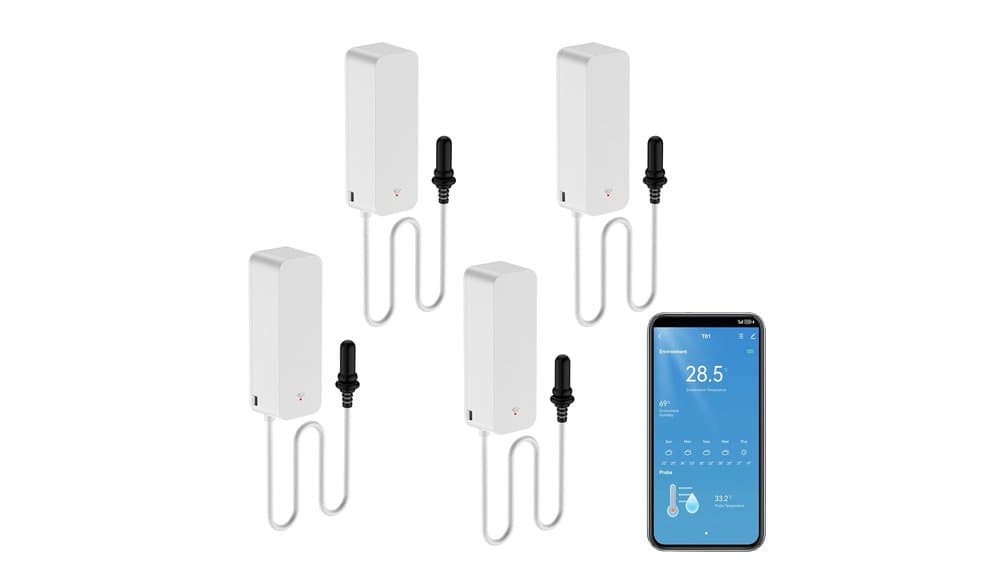
PHOVOLT WiFi Thermometer with Probe Test
For precise sous-vide & charcuterie, a calibrated core temperature probe is essential to ensure perfect results where it matters most.
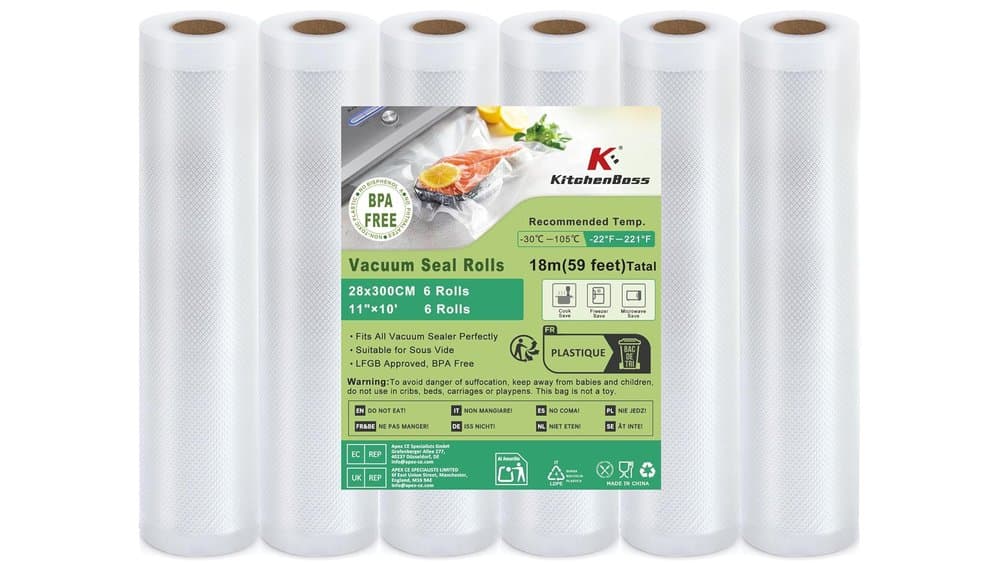
KitchenBoss Food Vacuum Bag Roll Review & Test
KitchenBoss vacuum sealing bags for sous-vide: analyze specs, compare performance, and determine value for precision cooking storage and preparation.
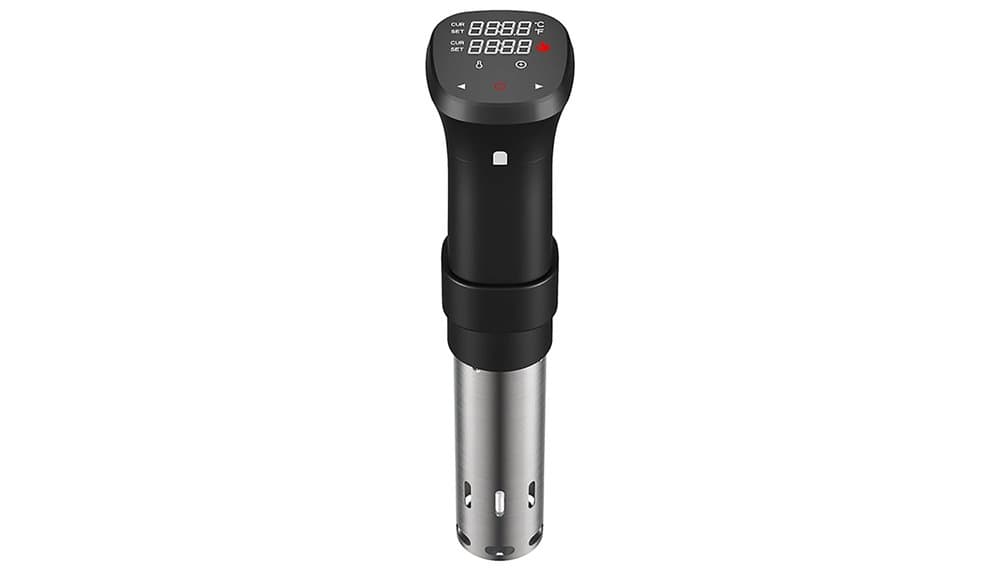
Fityou HU-XI-53 Immersion Circulator Sous Vide Cooker Review
Fityou HU-XI-53 Immersion Circulator review: A high-performing, accessible sous vide cooker with 1100W power, precise 0.1°C accuracy, and a 25-95°C range.
Guides you might like
Bell Jar Vacuum Sealer Buying Guide
Upgrade to a chamber vacuum sealer for professional sous-vide results at home. Perfect for liquids and flawless, long-lasting seals.
Best Beginner Sous Vide Kit
Find the perfect sous-vide starter kit on a budget. Learn the three essential features to look for to cook your first perfect steak without the headache.
Best Vacuum Bags
Choose the right vacuum sealer bags for perfect results. Learn key specs like heat resistance, thickness, and barriers to avoid culinary disasters.