Novanetus GTN2.0 Immersion Heater Test & Review
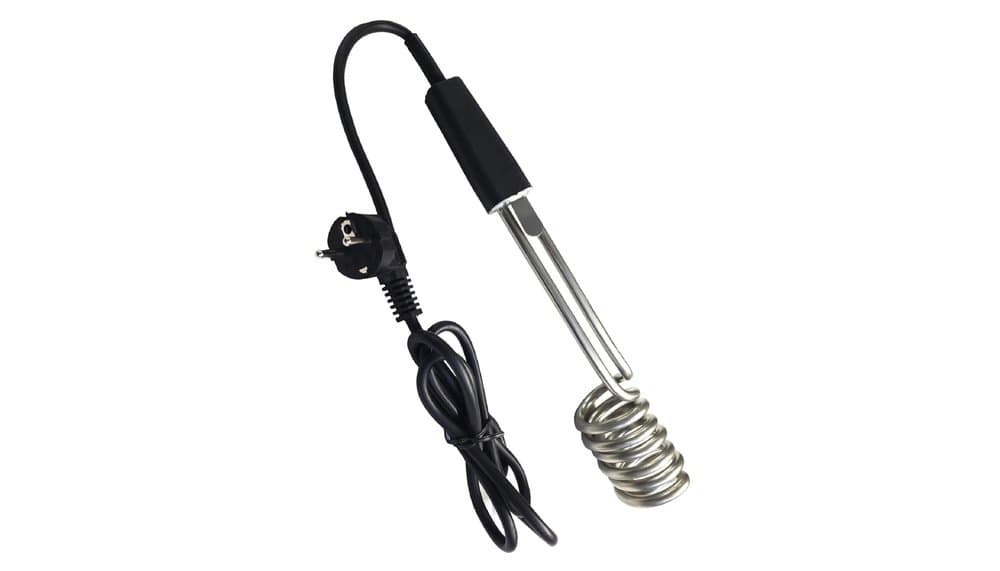
Introduction: A Simple Immersion Heater in the World of Precision Cooking
In the highly specialized world of sous-vide and water bath cooking, precision is king. Immersion circulators, with their pumps, electronic thermostats, and connected apps, are the instruments of choice. But what about a device like the Novanetus GTN2.0 Immersion Heater? It is, in its raw state, an electric immersion heater: a stainless steel heating element with a handle. No thermostat, no pump, no display. Yet it deserves analysis in our context, because it represents a fundamentally different approach and raises crucial questions about what temperature control truly means.
Our analysis will therefore not focus on its capabilities as a sous-vide circulator – it is not one – but on its potential utility, its absolute limitations, and its safety in a kitchen environment where thermal precision is the ultimate goal. Can it serve as a troubleshooting tool or an economical solution for certain tasks? Examining it forces us to redefine our criteria.
Strengths: Robustness, Power, and Raw Simplicity
According to technical specifications and user feedback, the strengths of the Novanetus GTN2.0 are clear and unadorned.
An Industrial, Durable Build: The hardware argument is its primary strength. Made in Poland from AISI316L stainless steel, a superior grade renowned for excellent corrosion resistance, it exudes a sense of robustness. Users emphasize that the device "doesn't feel cheap" and seems built to last. This construction also makes it easy to clean and maintain.
Impressive Heating Power: With 2000 watts at 230V, it is a powerful device. Tests and the technical sheet report very fast heating performance: approximately 3 to 4 minutes to bring 1 liter of water to a boil, and 15 to 18 minutes for 10 liters. Customer reviews confirm this efficiency, mentioning heating times of 10-15 minutes for a bucket of water, for example to prepare a shower. In the realm of pure heating, it's hard to be more efficient at this price level.
Radical Simplicity of Use: No programming, no connection, no moving parts. You plug it in, immerse it, the water heats up. This simplicity limits potential failure points and makes it accessible to everyone.
Weaknesses: A Total Lack of Precision and Constraining Usage Limits
Here, the gap with the requirements of precision cooking becomes an abyss. The weaknesses of the GTN2.0 are prohibitive for classic sous-vide use.
No Temperature Regulation: This is the absolute critical point. The Novanetus GTN2.0 heats, and heats up to boiling (100°C) if not unplugged. There is no thermostat, no electronic control. To obtain a precise stable temperature, like the 56°C needed for a steak or 85°C for cooking vegetables, the user must manually monitor with an external thermometer and turn the device on/off, an archaic and completely imprecise method, especially for long cooks.
No Water Circulation: The device has no pump. The water around the heating element becomes very hot, but this heat does not distribute evenly in the container. Very uneven temperature zones (stratification) are created, making any precise and reproducible cooking impossible without constant manual stirring.
Strict Immersion Constraints: The device requires a minimum immersion of 15 cm and a maximum immersion of 22 cm (up to the marked line). This makes it incompatible with small containers and severely limits the choice of usable tubs or pots, excluding, for example, compact dedicated sous-vide containers.
Important Safety Warnings: The manual and expert feedback insist: you must never touch or attempt to remove the device from the water without first unplugging it. One user explicitly notes the danger in case of mishandling. This is not a device to be left unattended with the same nonchalance as a modern circulator equipped with multiple safety features.
Detailed Analysis: For Whom and For What Can This Device Be Useful?
In light of these strengths and weaknesses, we can draw a profile of the Novanetus GTN2.0 user in our culinary universe.
Clearly, it is NOT a sous-vide circulator. It cannot in any way replace an Anova, a Joule, or an equivalent device for precise cooking, whether short or long. Its thermal instability and the absence of circulation immediately disqualify it for this primary application on our site.
A Very Niche Utility in Precision Cooking: Its potential role would be limited to a preparatory phase: quickly heating a large volume of water that will then serve as a bath for a real circulator. For example, filling a 20-liter cooler with cold water and using the GTN2.0 to bring it to 40-50°C before installing the circulator, thereby saving time and energy for the latter. This is an indirect and accessory use.
A Tool for Raw Water Heating Needs: User feedback is telling: they use it to heat water for camping showers, to defrost a large stockpot, or for various DIY or occasional needs requiring hot or boiling water. In this framework, it excels.
A Risky Choice for Beginners: For a novice in precision cooking looking for an economical alternative, this product would be a misguided choice. It would generate frustration and mediocre results, even accidents. It reinforces, by contrast, the value of real circulators that automate and secure the process.
Complete Absence of Key Features: Let's evaluate our site's criteria:
- Temperature Precision and Stability: None. Depends entirely on manual intervention.
- Water Flow: None. No pump.
- Performance on Long Cooks (24h+): Impossible to manage manually, risk of overheating or cooling.
- Build Quality: Excellent on paper for the heating element.
- WiFi/App Connectivity: None.
- Noise: Only a slight hum from the electric current/bubbling of heating water, but no pump noise.
- Clip Design: A simple metal clip to hang the device on the edge of a container, effective but basic.
Technical Specifications
| Characteristic | Detail |
|---|---|
| Model | Novanetus GTN2.0 Immersion Heater |
| Power | 2000 W |
| Voltage | 230 V |
| Construction Material | AISI316L Stainless Steel |
| Total Length | 36 cm (element + handle) |
| Element Diameter | 60 mm |
| Min. Immersion Depth | 15 cm |
| Max. Immersion Depth | 22 cm (up to the mark) |
| Advertised Heating Time | ~3-4 min/L; ~15-18 min/10L |
| Cable Length | ~1.6 m |
| Functions | Simple heating. No thermostat, no pump, no display. |
| Warranty | 24 months (according to web context) |
| Manufacturing Origin | Poland |
What Users and Testers Say About It
The synthesis of customer reviews and available technical analyses paints a clear consensus.
The recurring positive points revolve around satisfaction for the intended use: "Heats very quickly", "Great, heats fast", "Does the job", "As described". Compliments on robustness ("feels robust") and delivery are also numerous. The overall rating of 4.5/5 stars on many platforms reflects this satisfaction for a product that delivers on its promises as a powerful water heater.
Points of caution and negatives are fewer but significant:
- A Safety Warning: One review explicitly carries the mention "Danger", criticizing a discrepancy between the manual and the description. This corroborates expert warnings about the imperative need to unplug it before any handling.
- Understood Usage Limits: Users themselves note it is "handy for a shower" or for heating a "bucket of water", confirming its use is confined to medium volumes and not small quantities.
- No Mention of Cooking Use: Significantly, none of the analyzed feedback mentions use for cooking food, whether sous-vide or otherwise. Its use is perceived and validated as strictly utilitarian: heating water.
Conclusion: A Specialized Tool, But Not for Sous-Vide Cooking
The Novanetus GTN2.0 Immersion Heater is a product that does very well what it is designed for: heating large volumes of water quickly and efficiently with a solid construction. From an engineering standpoint, it is a reliable and performant tool.
However, within the strict framework of precision cooking and sous-vide, it cannot be considered a viable alternative, even an economical one. The absence of thermal regulation and water circulation places it in a completely different and incompatible category with the requirements of stability within ±0.5°C over several hours.
Our verdict is therefore unequivocal: this device cannot be recommended for sous-vide or precise water bath cooking. It may find a very marginal place in an enthusiast's kitchen as a tool for pre-heating the water in the cooking vessel. Its true audience is those seeking a portable and powerful water heater for camping, DIY, or occasional domestic needs. For anything related to culinary precision, the investment in a true immersion circulator, equipped with the appropriate technologies, remains not only justified, but absolutely necessary.
100% free and independent — All our articles are written independently, without any sponsorship. We may earn a commission on purchases made through our links, at no extra cost to you.
Articles you might like
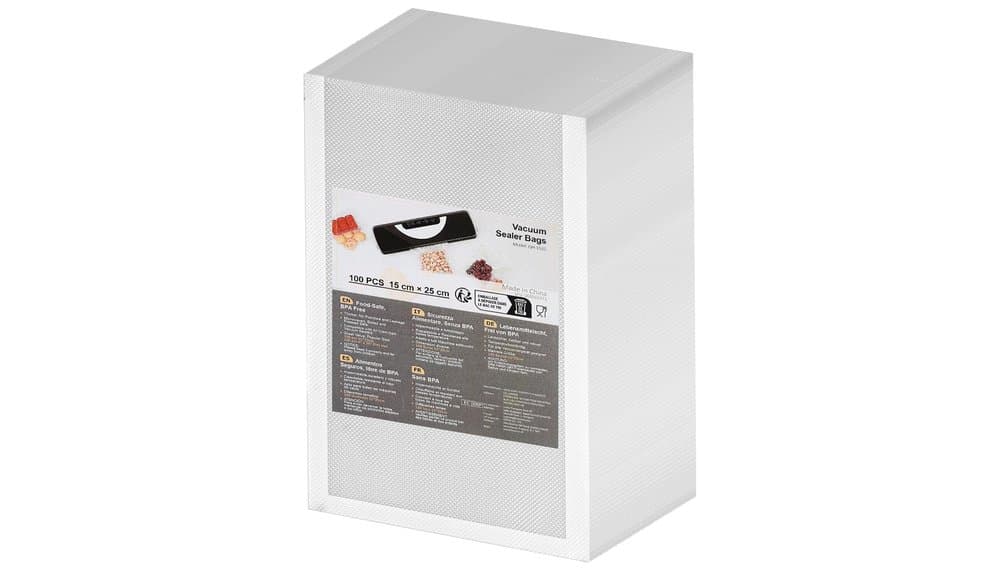
Vpcok Direct Food Vacuum Bags Review
Vpcok vacuum bags review for sous-vide: analyzing quality, reliability, and food safety in pre-cut 15x25cm bags.
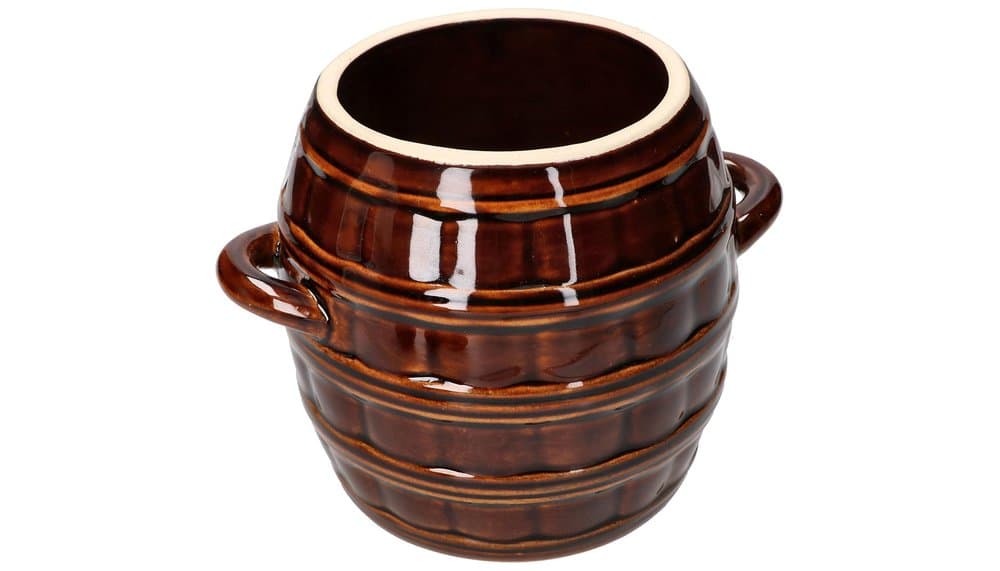
KOTARBAU FKS238 2.5L Fermentation Pot Review
Handcrafted ceramic pot for kimchi, pickles & sauerkraut. A traditional tool for modern, reproducible fermentation results.
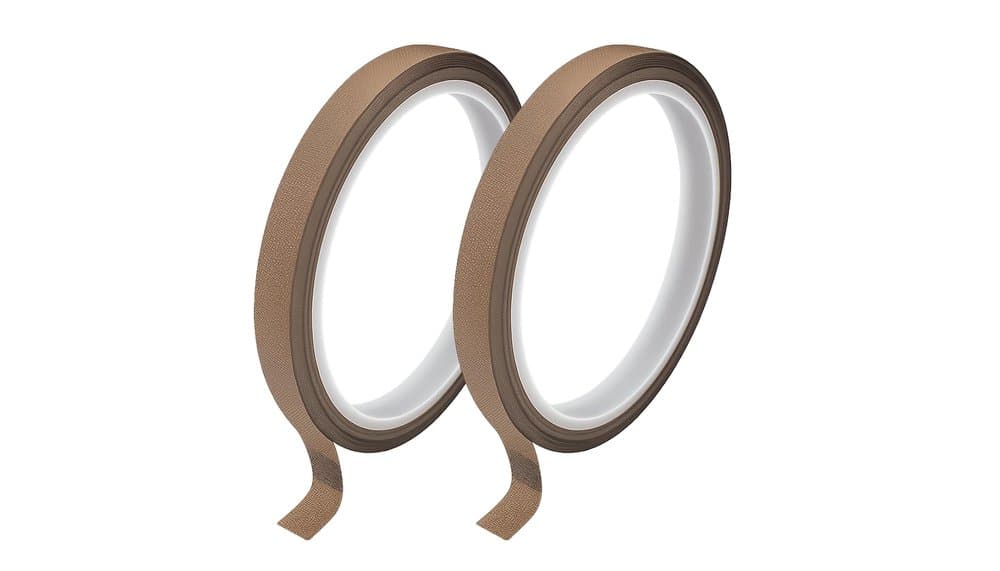
Vacuum Sealer PTFE Tape: Performance Test & Review
Discover how high-temperature PTFE tape is the secret weapon for maintaining and sealing your vacuum sealer, ensuring perfect sous-vide results every time.
Guides you might like
Bell Jar Vacuum Sealer Buying Guide
Upgrade to a chamber vacuum sealer for professional sous-vide results at home. Perfect for liquids and flawless, long-lasting seals.
Best Beginner Sous Vide Kit
Find the perfect sous-vide starter kit on a budget. Learn the three essential features to look for to cook your first perfect steak without the headache.
Best Vacuum Bags
Choose the right vacuum sealer bags for perfect results. Learn key specs like heat resistance, thickness, and barriers to avoid culinary disasters.