KICHLY Pre-Seasoned Cast Iron Frying Pan Review
Introduction: Cast Iron Put to the Test of Precision Cooking
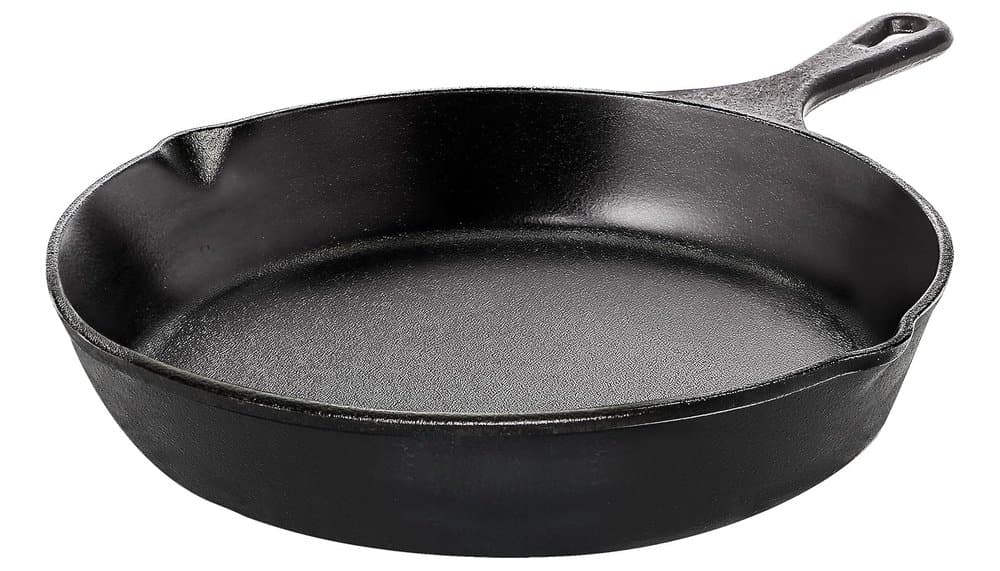
On a site dedicated to the perfect mastery of temperatures, from sous-vide to impeccable finishing, the cast iron skillet holds a special place. It is not a tool for regulation, but an instrument for final transformation. Its mission: to convert the precise and stable thermal energy from a sous-vide water bath, or the direct heat of a cooktop, into a deep Maillard reaction, perfect crispness, impeccable searing. The KICHLY Pre-Seasoned Cast Iron Frying Pan presents itself as an accessible gateway into this world. Our analysis goes beyond a simple description to evaluate this utensil from the angle of controlled cooking: how does its ability to absorb and redistribute heat translate into real performance? Can it become a reliable partner for the precision cooking enthusiast? We have scrutinized its specifications, compared the manufacturer's promises to the realities described by thousands of users, to give you a complete and uncompromising overview.
Strengths & Weaknesses: A Balanced Summary
Strengths
- Superior heat retention and distribution: Consistent with the inherent properties of good cast iron, the skillet offers remarkable thermal stability once heated, ideal for searing and maintaining a constant surface temperature.
- Maximum cooking versatility: Compatible with all heat sources (gas, induction, electric) and withstanding extreme temperatures (up to 650°C), it is the all-terrain finishing tool, from oven to stovetop.
- Practical factory pre-seasoning: The initial layer, while improvable, allows for immediate use without a long and tedious process, a real plus for beginners.
- Perceived excellent value for money: For a fraction of the cost of iconic brands, it promises the fundamental benefits of pure cast iron.
- Durability and health: Made of pure cast iron with no synthetic coating, it eliminates the risk of ingesting chemicals and promises a very long lifespan with proper care.
Weaknesses
- Inconsistent finish quality and quality control: User feedback reports potentially serious defects like structural cracks (notably on larger models) and a sometimes rough surface requiring additional preparation.
- Weight and limited ergonomics: Its weight (1.2kg for the 20cm model) and its short, all-metal handle make it less maneuverable and burning hot during use, systematically requiring a towel or pot holder.
- Insufficient original seasoning: The majority of users agree: the factory seasoning is a good starting point, but reinforced home seasoning is necessary to achieve true non-stick performance.
- Demanding and non-negotiable maintenance: Like any basic cast iron, it is prone to rust. It requires meticulous drying and oiling after each wash, ruling out any dishwasher.
- Non-stick performance to be built: It does not reach the "non-stick" level of a modern coated pan without a long process of seasoning and regular use of fats.
Detailed Analysis: Beyond the Specs
Here, we dissect the product according to the criteria of a meticulous cook, accustomed to the reliability and reproducibility of results.
Construction and Manufacturing Quality
The advertised material is raw cast iron. The technical specifications are minimalist, which is typical for this type of product. The key data point is the maximum temperature tolerance (650°C), largely sufficient for all culinary applications, including oven finishing after sous-vide. However, the user community reveals a critical point: quality control seems inconsistent. While many describe a solid and flawless skillet, several documented testimonies with photos show cracks appearing during initial uses, particularly around the brand marking on the back of the pan. This suggests internal stresses in the metal or casting imperfections. This is not systematic, but it is a present risk, especially on larger diameters (32cm). The interior surface finish can be slightly gritty; some knowledgeable users even recommend light sanding with fine sandpaper to smooth the surface before the first seasoning.
Thermal Performance: Stability and Uniformity
This is the heart of our analysis. Cast iron is known for its low thermal conductivity but excellent retention. Concretely, this means that heating up is slow (the pan must be preheated gradually), but once hot, it stabilizes heat and diffuses it very uniformly. For us, precision cooking enthusiasts, this is a major advantage: it avoids localized hot spots that would burn meat seared after sous-vide. Its significant mass (1.2 kg) acts as a thermal buffer, limiting drastic temperature drops when adding cold food. On the other hand, it reacts slowly to flame adjustments. This is not a utensil for quick cooking over high heat with constant adjustments; it is a tool for applying constant, penetrating heat. For the perfect finishing of a steak cooked sous-vide at 56°C, this stability is valuable.
Seasoning: The Key to Performance
The manufacturer boasts a factory pre-seasoning equivalent to 10-15 home-applied layers. On-the-ground feedback greatly tempers this claim. The dominant trend is that this pre-seasoning is useful but insufficient. It allows you to start cooking without rusting the pan, but it does not provide a truly non-stick surface. Most users who achieved the best results (like sliding eggs) describe an active process of reinforcing the seasoning: several cycles of oiling and heating in the oven or on the stove, followed by initial cooking rich in fats (bacon, onions, fatty meats). Seasoning is therefore not a characteristic of the product as delivered, but an evolving process of which you are the artisan. The final non-stick performance will depend entirely on your rigor in this process.
Versatility and Practicality of Use
The advertised versatility is real: induction compatible, it can go from stovetop to oven without issue, making it an ideal tool for finishing a roast or preparing a sauté before finishing cooking in the oven. Its short, solid metal handle is a double-edged sword. On one hand, it allows for oven use without temperature limit. On the other, it heats up extremely quickly and becomes burning hot, requiring the systematic use of a pot holder. Its weight and balance can make one-handed manipulation difficult, especially for larger diameter models. This is not a pan for quick wrist movements, but for deliberate and controlled cooking.
Maintenance and Long-Term Durability
The care instructions are classic and correct. Cast iron is a living material that demands a precise ritual: washing with hot soapy water (contrary to myths, modern mild soap is no longer a problem), immediate and thorough drying (many insist on drying over heat after wiping to remove all moisture), then applying a micro-layer of protective oil. Forgetting this last step, or storing it in a damp place, inevitably leads to rust. The theoretical durability is "for life," and some feedback over several years confirms this. However, this durability is conditional on the initial quality of the casting (hence the importance of reported defects) and the rigor of maintenance. It is an investment in time more than in money.
Technical Specifications
| Characteristic | Detail |
|---|---|
| Brand | KICHLY |
| Model | Pre-Seasoned Cast Iron Frying Pan |
| Diameter | 20 cm (8 inches) - Model analyzed here |
| Body Material | Cast Iron |
| Handle Material | Metal |
| Weight | 1.2 Kilograms |
| Coating | Pre-seasoning with soybean oil |
| Heat Source Compatibility | Induction, Gas, Electric, Ceramic, Oven |
| Maximum Temperature | 650°C |
| Maintenance | Hand wash only. Immediate drying and oiling recommended. |
| Special Features | Pre-seasoned skillet, versatile (indoor/outdoor). |
What Users Say: A Synthesis of Feedback
Analyzing over 6,000 global reviews and dozens of detailed returns reveals clear and often nuanced trends.
Recurrent Positive Points:
- Plaudits for value for money: This is the number one argument. For a modest cost, users get a real cast iron skillet with appreciated thermal properties.
- Confirmed thermal performance: Many highlight excellent heat distribution and even cooking once the pan is properly preheated.
- Satisfaction after "time investment": Users who took the time to reinforce the seasoning and properly follow the maintenance steps report increasing satisfaction, with a surface that becomes more and more performant and beautiful over the months, even becoming "almost non-stick" for some after several years of use.
- Useful pre-seasoning: It is seen as a good starting point that avoids initial complications, even if it needs to be supplemented.
Points of Caution and Negatives:
- Random quality control (major issue): Several reviews (notably on large formats) report cracks appearing during first use, especially around the engraved logo on the bottom of the pan. These cracks can open with heat, creating a concerning noise and a potential risk. This defect, while not in the majority, is sufficiently documented to be considered a real risk.
- Insufficient original seasoning: The consensus is wide: cooking an egg directly on it without reinforcing the seasoning is doomed to failure. "Eggs stick" is a frequent complaint from new users.
- Weight and hot handle: Often mentioned as practical drawbacks. The short, burning handle demands constant vigilance.
- Mandatory maintenance: The absolute necessity to dry and oil after each use is emphasized by all who have avoided rust. This is a point that discourages beginners or those seeking simplicity.
Conclusion: A Demanding Tool for Potentially Excellent Results
The KICHLY Pre-Seasoned Cast Iron Frying Pan is not a gadget. It is a fundamental kitchen tool, both rudimentary in its principle and sophisticated in its results when mastered. Its analysis from the perspective of precision cooking reveals a partner capable of remarkable thermal stability, perfect for transforming precise sous-vide cooks into crispy and flavorful masterpieces.
However, it is not without flaws. It is aimed at a very specific profile: the patient, methodical cook ready to invest time in its care. If you are a beginner with cast iron, it represents a very low financial risk entry point to learn the techniques and see if the material suits you. If you are already an enthusiast, its price can make it an interesting backup piece or test, provided you scrupulously check its integrity upon receipt to rule out any manufacturing defects.
For precision cooking enthusiasts, its true asset is its thermal reliability. Once preheated and properly seasoned, it becomes a predictable and uniform platform for the Maillard reaction. But it demands in return a rigor of care that is an integral part of its use. In summary, it is a potentially excellent performance/price ratio, but one whose realization depends entirely on the quality of the specimen received and the owner's commitment to caring for it. It is not a "ready-to-use" solution in the plug-and-play sense, but a culinary project in its own right.
100% free and independent — All our articles are written independently, without any sponsorship. We may earn a commission on purchases made through our links, at no extra cost to you.
Articles you might like

PHOVOLT WiFi Thermometer with Probe Test
For precise sous-vide & charcuterie, a calibrated core temperature probe is essential to ensure perfect results where it matters most.
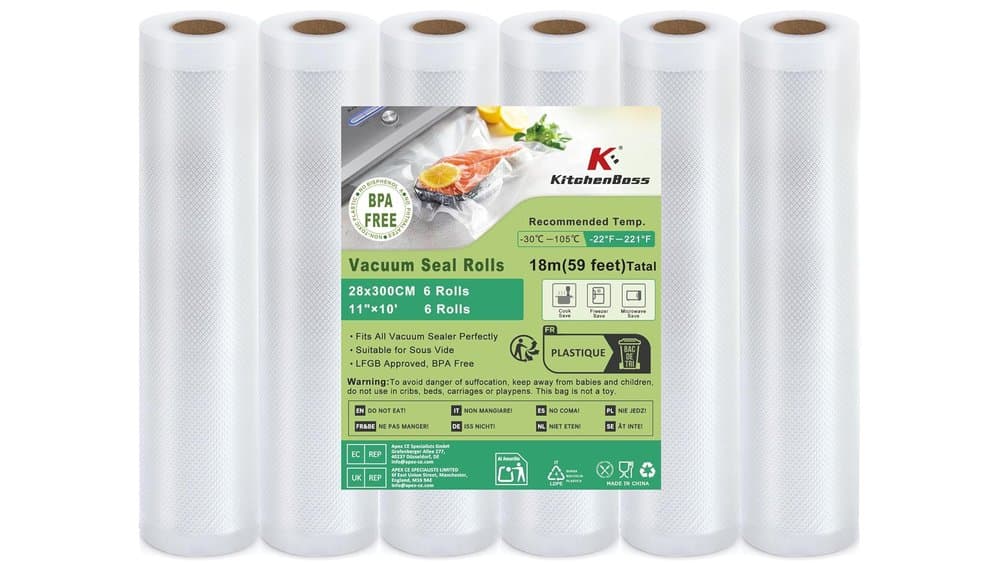
KitchenBoss Food Vacuum Bag Roll Review & Test
KitchenBoss vacuum sealing bags for sous-vide: analyze specs, compare performance, and determine value for precision cooking storage and preparation.
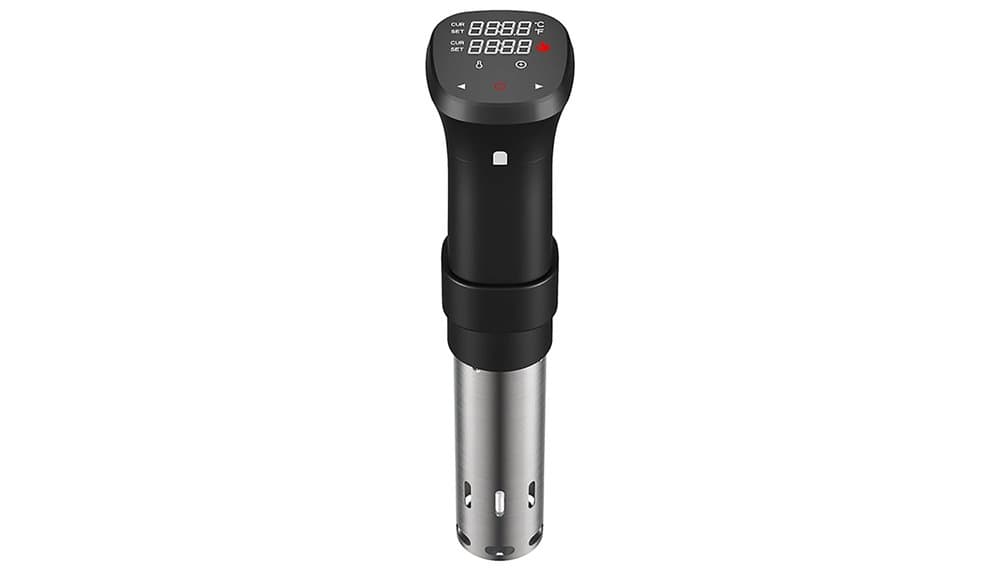
Fityou HU-XI-53 Immersion Circulator Sous Vide Cooker Review
Fityou HU-XI-53 Immersion Circulator review: A high-performing, accessible sous vide cooker with 1100W power, precise 0.1°C accuracy, and a 25-95°C range.
Guides you might like
Bell Jar Vacuum Sealer Buying Guide
Upgrade to a chamber vacuum sealer for professional sous-vide results at home. Perfect for liquids and flawless, long-lasting seals.
Best Beginner Sous Vide Kit
Find the perfect sous-vide starter kit on a budget. Learn the three essential features to look for to cook your first perfect steak without the headache.
Best Vacuum Bags
Choose the right vacuum sealer bags for perfect results. Learn key specs like heat resistance, thickness, and barriers to avoid culinary disasters.