Déshydrater les aliments chez soi Book: Test & Review
Introduction: A Practical Manual to Complete Your Precision Cooking Arsenal
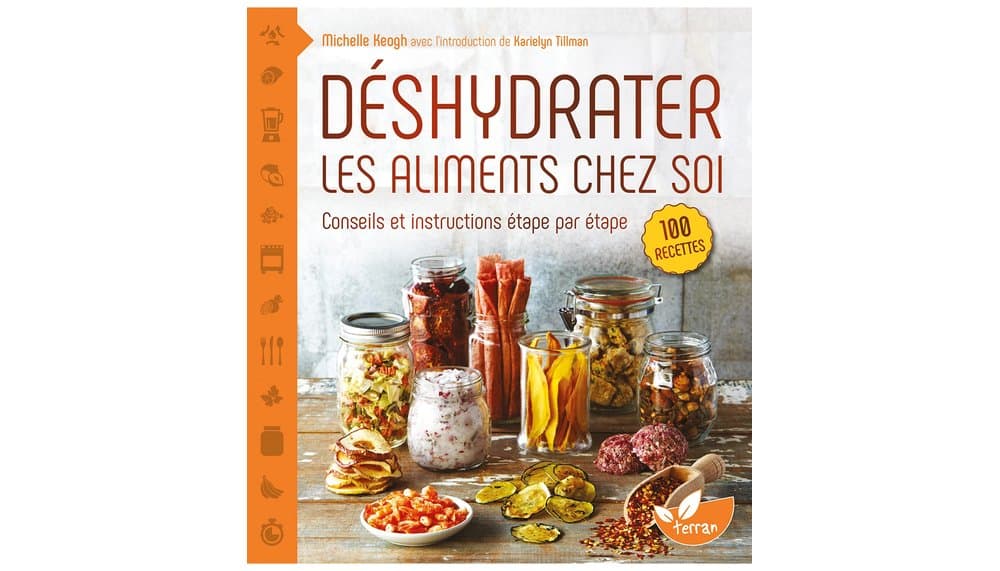
In the world of precision cooking, dehydration is one of the oldest, yet one of the most underestimated preservation techniques. While our attention naturally goes to the degree-perfect stability of 72-hour sous-vide cooks, dehydration also relies on the rigorous control of a key variable: temperature. The product "Déshydrater les aliments chez soi - Conseils et instructions étape par étape Livre" presents itself not as an appliance, but as the manual of knowledge required to harness this technique with the same rigor we apply to our immersion circulators. Here, we are not analyzing the accuracy of a heating element, but the accuracy of the know-how being transmitted. Is this book the technical reference the precision cooking enthusiast is missing to master this art? That is what we will dissect.
Key Strengths
The main strength of this guide is its structured accessibility. Based on community feedback, it excels at transforming a process that can seem vague ("dry until it's done") into a series of measurable and reproducible steps. This is exactly the mindset we seek: replacing approximation with method.
Secondly, its broad scope is a major asset. The book is not limited to apples and bananas. It covers fruits, vegetables, herbs, meats (jerky), and even preparations like fruit leathers. For someone already using sous-vide for pasteurization and preservation, this opens the door to a synergy of techniques: one can, for example, sous-vide aromatic herbs before dehydrating them to intensify their flavors, or vacuum-seal dehydrated products for very long-term storage.
Finally, the practical advice on equipment is relevant. Although it is not a comparative analysis of brands, the book provides keys to choosing a dehydrator, understanding the importance of a thermostat (even a basic one), and uniform air circulation. These elements are the equivalent, in this field, of temperature stability and water flow for an immersion circulator.
Weaknesses
The most frequently noted weakness by users is the origin and adaptation of the content. Several readers note that the book, although translated, retains a strong North American imprint. This translates into the use of ingredients less common in France (like cranberries or certain types of flour) and a focus on products corresponding to its original market. For a French reader looking to dehydrate typical seasonal vegetables, the selection can sometimes seem limited or require adaptation.
Another pointed flaw is the relative lack of in-depth theory. While the instructions are clear, some more technical or curious readers would have liked more explanations on the biochemical principles of dehydration, or comprehensive summary tables (temperature/duration by food type) for quick reference. The book favors step-by-step pedagogy over a condensed reference manual.
Finally, its publication date (2017) makes it potentially less up-to-date on the very latest dehydrator models (like those with precise digital controls or specific functions). However, the fundamental principles it teaches remain perfectly valid.
Detailed Analysis from a Precision Perspective
For us, precision control enthusiasts, the central question is: does this book enable precise and reproducible dehydration?
The answer is overall positive. The "step-by-step" approach precisely aims for reproducibility. The authors emphasize the importance of uniform cutting of food (just as we emphasize uniform thickness of sous-vide bags for even cooking) and adherence to recommended temperatures and durations. This is where the book adds its value: it provides this basic data where an appliance manual is often sparse.
However, one must understand its philosophy. It is not a treatise on food engineering. It does not go into the detail of "why 57°C for 8 hours is optimal for this fruit". It gives the "how". It is an excellent operational starting point. For the advanced user, it will serve as a solid foundation from which they can refine their own parameters through experience, much like we do with sous-vide cooking times.
Storage is a crucial and well-covered chapter. The link to our world is direct: the book explicitly recommends vacuum storage to maximize the shelf life of dehydrated foods, creating a perfect bridge between the two techniques. It thus validates the approach of a kitchen ecosystem where dehydrator and vacuum machine work together.
Technical Specifications (Book Content)
| Characteristic | Details |
|---|---|
| Product Type | Practical guide book (Paperback, illustrated) |
| Technical Scope | Methods, times, temperatures, preparation, storage |
| Target Audience | Beginners to intermediates |
| Food Coverage | Fruits, vegetables, herbs, meats (jerky), fruit leathers, pet preparations |
| Educational Elements | Step-by-step instructions, photographs, preparation tips |
| Equipment Focus | General dehydrator selection advice |
| Main Strength | Clear and accessible structure to start immediately |
What Users and the Community Say
The synthesis of customer reviews and expert feedback consulted paints a very clear consensus.
Satisfaction is high, with an overall rating of 4.4/5. Praise overwhelmingly focuses on the clarity of explanations and the "very practical" aspect. Beginners feel guided: "a book that makes you want to start," "the steps are well explained," "ideal for beginners." The inclusion of pet recipes is also a very appreciated and original point.
On the criticism side, a trend emerges among disappointed readers (often giving 3/5 stars). They regret the lack of a quick summary table and the sometimes too "American" content, with ingredients and references less suited to the French market. One review sums up this feeling well: "Only recipes, few basics, USA origin... we had to buy another book." This indicates that for part of the audience, the book is an excellent practical companion, but not a comprehensive theoretical reference.
Testers and specialized forums confirm this analysis, describing it as a very complete and accessible practical guide, a "practical and reliable reference" that fully meets its primary objective: learning to dehydrate without hassle.
Conclusion: A Relevant Investment to Broaden One's Mastery
"Déshydrater les aliments chez soi - Conseils et instructions étape par étape Livre" is a product that fits perfectly in the library of a precision cooking enthusiast. It fills a gap by providing a structured methodology to a technique that sorely needs it to be mastered consistently.
Its step-by-step approach matches our mindset: proceeding through controlled steps for an optimal result. While it won't replace a scientific treatise on dehydration, it provides all the operational data (temperatures, durations, preparations) necessary to start and succeed immediately. Its advice to couple dehydration with vacuum storage is perfectly in line with our preservation philosophy.
We recommend it without reservation to beginners who want to add this string to their bow, and to intermediates seeking a practical and well-organized reference guide. Purists looking for very in-depth theory or a guide 100% adapted to French products may find it light on certain aspects, but it remains nonetheless one of the best entry points for integrating dehydration into your arsenal of controlled cooking techniques.
100% free and independent — All our articles are written independently, without any sponsorship. We may earn a commission on purchases made through our links, at no extra cost to you.
Articles you might like
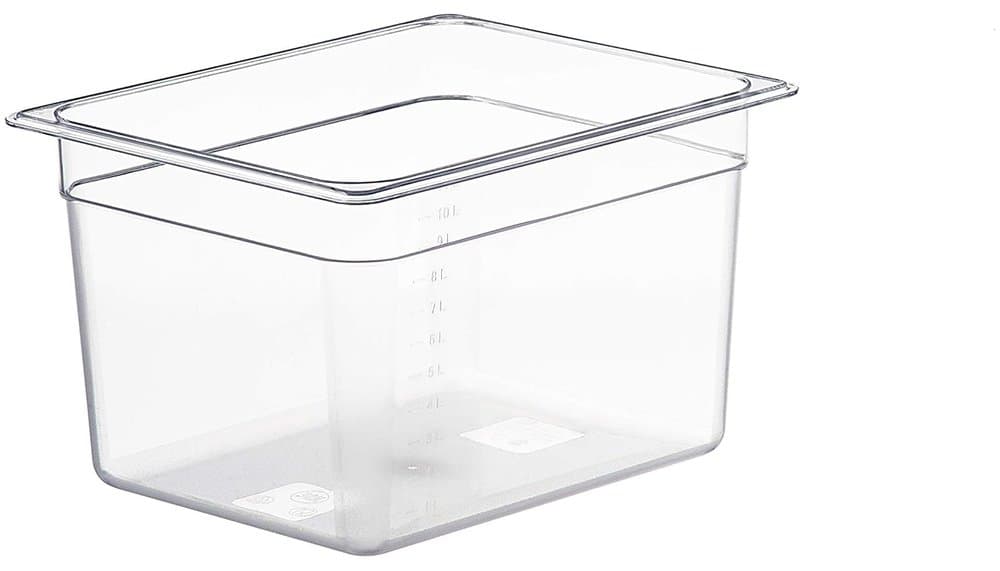
Lipavi C10 11.3 Liter Vacuum Container Review & Test
LIPAVI C10 sous-vide container review: analyzing its energy efficiency, thermal stability & ease of use for precision cooking.
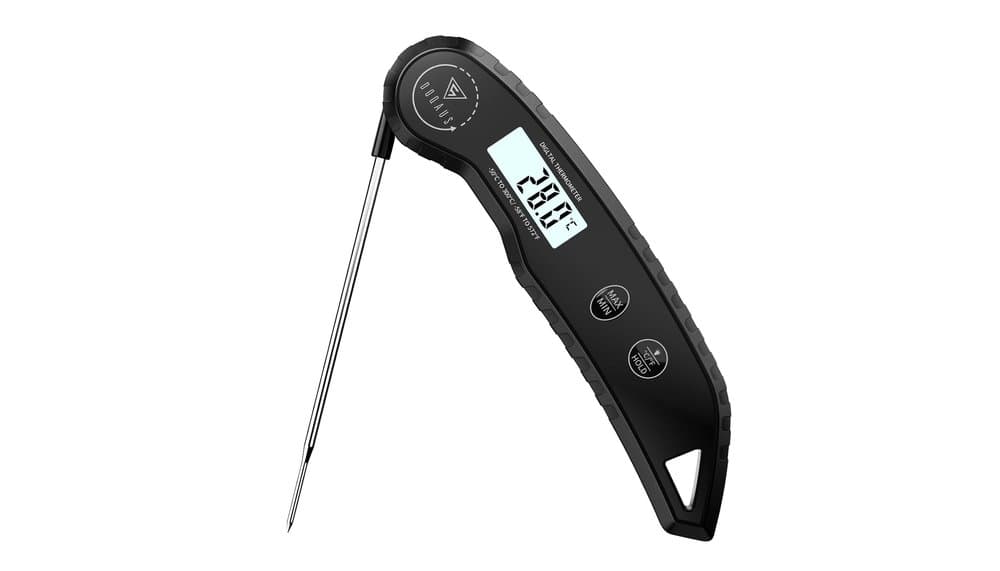
DOQAUS Instant Read Dial Thermometer Review
Master temperature for perfect cooking. Dial thermometer for instant, reliable readings on steak, syrup, ovens. Essential precision tool.
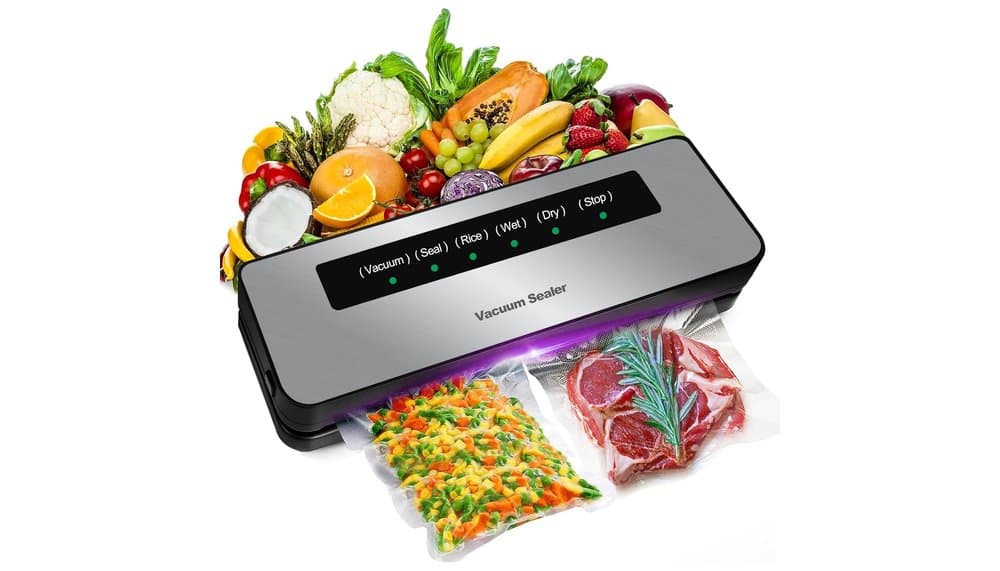
Dictien CF-001A 6-in-1 Sous Vide Machine Review
Ensure perfect sous-vide with the versatile Dictien CF-001A 6-in-1 vacuum sealer for both dry and moist foods. A comprehensive review.
Guides you might like
Bell Jar Vacuum Sealer Buying Guide
Upgrade to a chamber vacuum sealer for professional sous-vide results at home. Perfect for liquids and flawless, long-lasting seals.
Best Beginner Sous Vide Kit
Find the perfect sous-vide starter kit on a budget. Learn the three essential features to look for to cook your first perfect steak without the headache.
Best Vacuum Bags
Choose the right vacuum sealer bags for perfect results. Learn key specs like heat resistance, thickness, and barriers to avoid culinary disasters.