CISSIYOG DW12 12L Sous Vide Container Review
Introduction
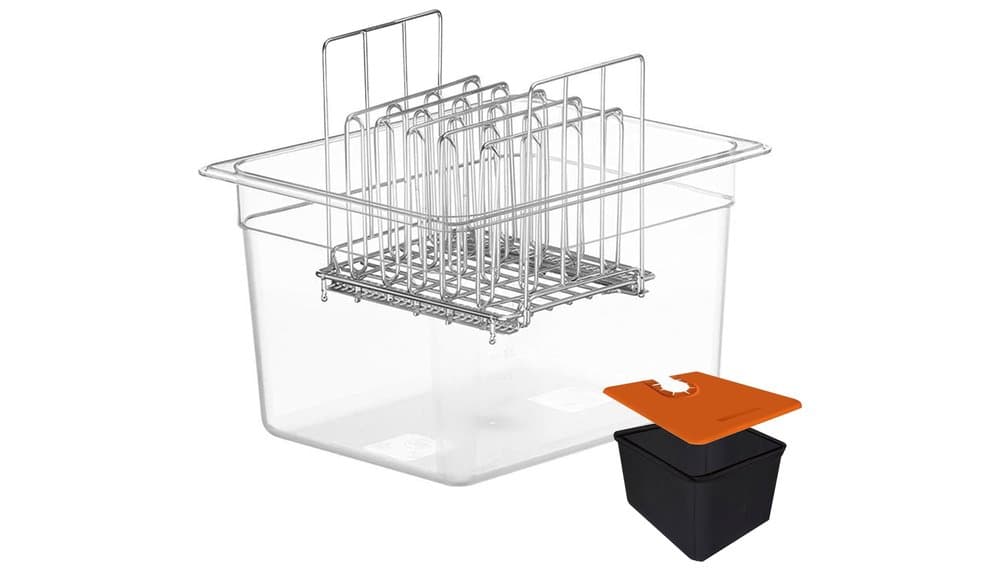
For sous vide enthusiasts, choosing a water container is often a consideration after purchasing the immersion circulator. Yet, a good container can make a significant difference in terms of energy efficiency, temperature stability, and ease of use. The CISSIYOG DW12 12L Sous Vide Container presents itself as an all-in-one solution, designed specifically for this technique. It's not just a repurposed storage bin, but a dedicated container, featuring a lid with an integrated rack and insulation. We will analyze it from the perspective of precision cooking: how do its features actually impact the performance of a long-duration water bath? Is it a relevant accessory for a beginner or an asset for an experienced enthusiast?
Strengths and Weaknesses
Strengths
- Integrated thermal insulation with the silicone sleeve to reduce heat loss and energy consumption.
- All-in-one lid with integrated holding rack, eliminating the need for separate accessories (rack, floats, weights).
- Broad compatibility with most circulators thanks to a pre-cut notch and an adaptable opening ring.
- Construction from heat-resistant material (from -40°C to 100°C) and BPA-free according to the manufacturer.
- Practical design with volume markings and a 12L size suitable for family cooking.
Weaknesses
- Fixed volume: Unlike a multipurpose container, it is dedicated almost exclusively to sous vide cooking.
- Mechanical stability to be confirmed: The circulator's mounting depends entirely on its own clamp, as the container does not have an active locking system.
- Limited long-term user feedback due to its recent arrival on the market, leaving questions about its long-term durability.
- Lack of modularity: The rack is fixed, which can limit options for very bulky foods or special configurations.
Detailed Analysis of the CISSIYOG DW12 for Sous Vide Cooking
Construction and Compatibility with Circulators
According to the specifications, the CISSIYOG DW12 is molded from food-grade polycarbonate (PC). This promise of a BPA-free material is an essential prerequisite for any indirect contact with food, even at low temperatures. Its announced resistance from -40°C to 100°C widely covers the entire sous vide cooking range, including hotter pasteurizations.
Compatibility is its major selling point. The pre-cut rectangular notch in the lid and the flexible silicone opening ring are designed to fit the neck of most immersion circulators on the market. However, a crucial point must be noted: this container does not have its own dedicated clamping or support system. The stability and safety of your circulator will depend entirely on the reliability of its original clamp and the thickness of the container wall (2 cm according to dimensions). For circulator models known for their robust clamps (like Anova, Joule, or some Inkbird models), this should not be a problem. For others, increased vigilance is recommended.
Thermal Performance: Insulation and Efficiency
This is where the DW12 aims to distinguish itself from a simple plastic bin. The addition of a silicone insulating sleeve is a feature typically found on high-end containers or as an optional accessory. According to user feedback, such as one noting that the silicone "traps heat well," this additional insulation fulfills its role. Concretely, this translates into two measurable advantages:
- Reduced evaporation: Less water vapor loss means less need for refilling during 24, 48, or even 72-hour cooks. This is a gain in comfort and consistency.
- Energy saving: A better-insulated container requires less heating effort from the circulator to maintain temperature. In the long term, this can represent savings and also relieves the appliance's heating element.
The solid lid, with only the opening for the circulator, fully contributes to this thermal stability. It creates a nearly enclosed space, limiting heat exchange with the ambient air. On paper, this contributes to better temperature uniformity throughout the water bath, a key factor for perfectly even cooking.
User-Oriented Design: The Integrated Rack and Ergonomics
The "no assembly required" concept clearly targets the user who wants to simplify their routine. The holding rack integrated into the lid is a clever idea. It allows for keeping the bags submerged, ensuring optimal water contact on all sides, without having to search for clip-on weights or a separate rack that might not be at the right height. The mention of a "grooved design for 360° water circulation" suggests the rack is designed not to impede the water flow generated by the circulator's pump, which is essential to avoid cold spots.
The clear volume markings on the side are a practical, non-negligible detail for easily measuring the necessary amount of water, either to minimize volume for faster heating or to ensure enough water for a long cook.
However, this integration has a downside. The rack is not removable or height-adjustable. For very thick foods or non-standard bag formats, this could become a constraint. The space between the rack and the bottom of the container (the effective cooking zone) is fixed.
What Users Say
The available feedback, although few at this stage, points to clear trends.
The recurring positive points revolve around the insulation perceived as effective. A German user, in a translated comment, specifies: "The silicone offers additional, strong insulation. [...] I am totally enthusiastic." This direct feedback confirms the thermal advantage that is at the heart of the product's proposition. The ease of use, with the included rack and compatibility, is also appreciated.
Points to monitor or the lack of comment are just as instructive. No user mentions a compatibility issue with a specific circulator, which is a good sign. However, there are also no testimonials about extremely long cooks (beyond 48 hours) that would test the long-term durability of the plastic and insulation. No comments either on noise level, which could indicate that the container has no notable impact (positive or negative) on the circulator's acoustics, unlike a metal container which can sometimes resonate.
The silence regarding the robustness of the mounts and long-term stability at 100°C simply means that the collective experience with this product is not yet sufficient to draw definitive conclusions. Reviews are very positive but based on initial use.
Technical Specifications
| Feature | Detail |
|---|---|
| Product Name | CISSIYOG DW12 12L Sous Vide Container |
| Capacity | 12 liters |
| Main Material | Food-grade Polycarbonate (PC) (announced) |
| Insulation | Silicone sleeve |
| Lid | Integrated with holding rack and adaptable opening |
| Temperature Range | From -40°C to 100°C (according to manufacturer) |
| Dimensions (L x W x H) | 32.5 x 26.5 x 20 cm |
| Weight | 1.9 kg |
| Compatibility | Claimed with "most vacuum machines" (circulators) |
| Notable Features | Volume markings, "no assembly" design |
Conclusion
The CISSIYOG DW12 12L Sous Vide Container is not a revolution, but it represents a smart and practical integration of features that sous vide enthusiasts often end up assembling themselves: a dedicated container, an insulating lid, and a bag-holding system.
For the beginner who wants to move beyond the pot and plastic wrap, it offers a clean, effective, and immediately operational solution that can improve the efficiency of their first circulator. For the experienced user, it presents itself as an interesting alternative to multipurpose containers like coolers, by providing integrated insulation and an optimized design that can simplify long cooks and reduce energy costs.
Its main asset is its claimed and user-confirmed thermal efficiency, thanks to the solid lid / silicone sleeve duo. The main reservation concerns its "closed system" nature: ensure that your circulator clamps securely onto a 2 cm thick wall and that the fixed rack height suits your cooking habits. If these points match your setup, the CISSIYOG DW12 stands as a serious and well-thought-out accessory for any home sous vide setup.
100% free and independent — All our articles are written independently, without any sponsorship. We may earn a commission on purchases made through our links, at no extra cost to you.
Articles you might like
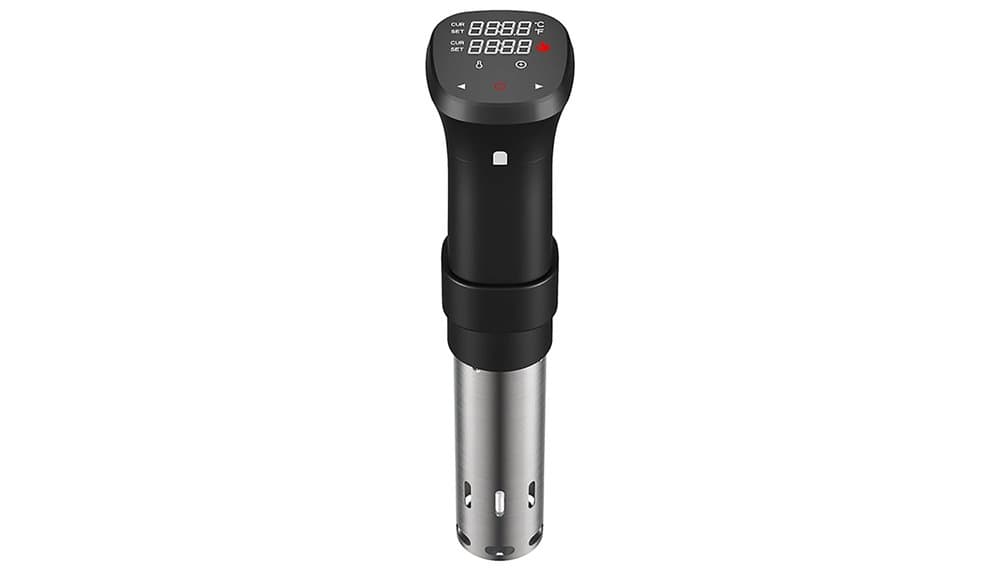
Fityou HU-XI-53 Immersion Circulator Sous Vide Cooker Review
Fityou HU-XI-53 Immersion Circulator review: A high-performing, accessible sous vide cooker with 1100W power, precise 0.1°C accuracy, and a 25-95°C range.
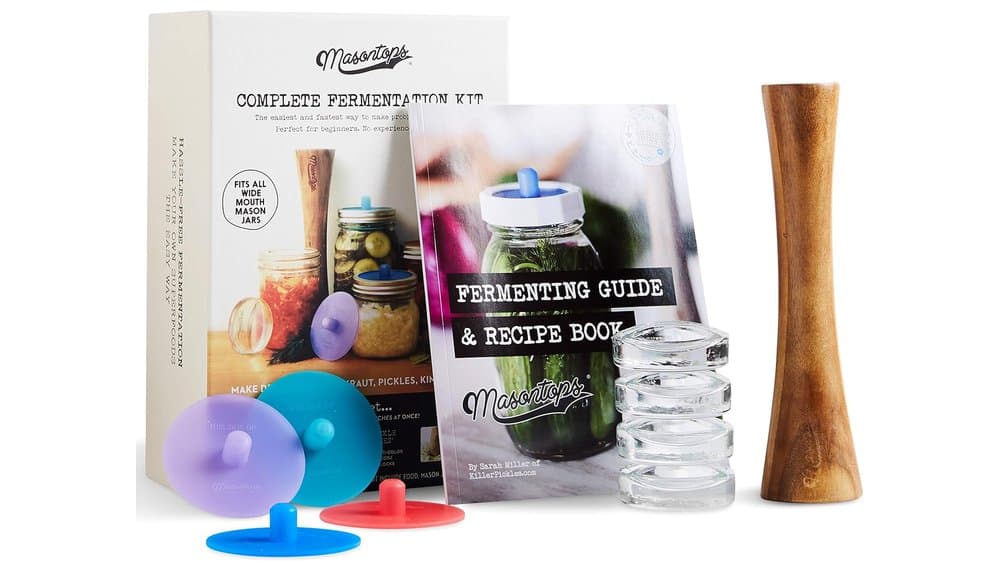
Masontops Complete Fermentation Jar Kit Review & Test
Review: Masontops Kit transforms Mason jars into precise fermentation tools for mastering the microbial environment.
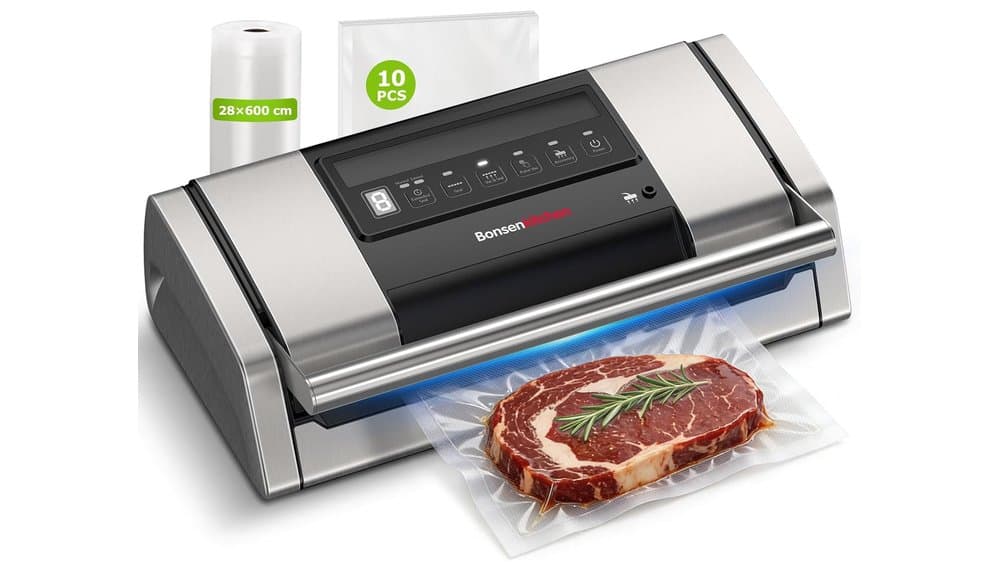
Bonsenkitchen VS5100 Food Vacuum Sealer Review
Master sous-vide results depend on a perfect seal. Our review of the Bonsenkitchen VS5100 vacuum sealer analyzes its performance for long cooks.
Guides you might like
Bell Jar Vacuum Sealer Buying Guide
Upgrade to a chamber vacuum sealer for professional sous-vide results at home. Perfect for liquids and flawless, long-lasting seals.
Best Beginner Sous Vide Kit
Find the perfect sous-vide starter kit on a budget. Learn the three essential features to look for to cook your first perfect steak without the headache.
Best Vacuum Bags
Choose the right vacuum sealer bags for perfect results. Learn key specs like heat resistance, thickness, and barriers to avoid culinary disasters.