Asixxsix Digital Meat Thermometer Test & Review
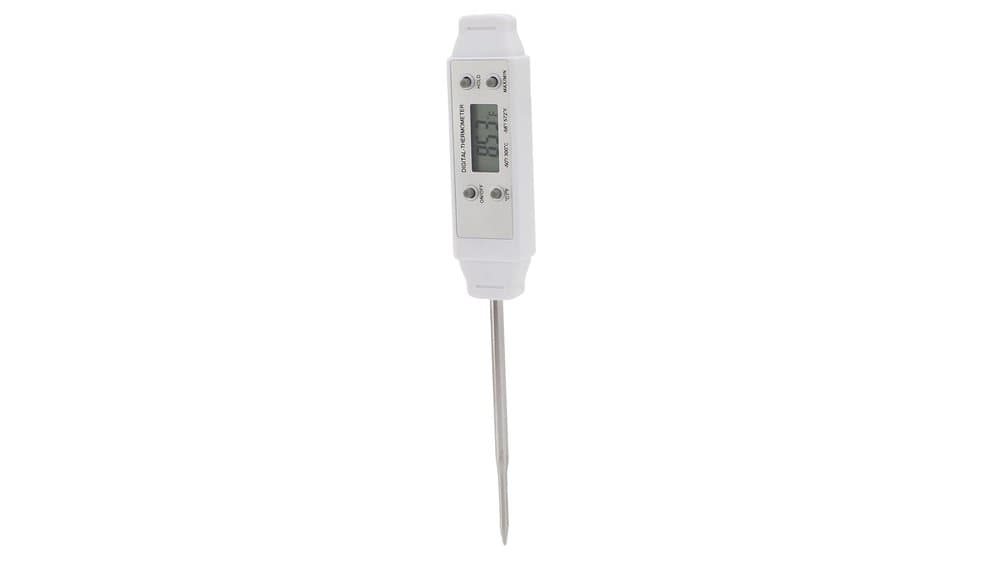
Introduction
In the demanding world of precision cooking, where every degree Celsius influences texture and flavor, a thermometer is not a mere accessory. It is the fundamental tool that transforms intuition into science. Whether checking the perfect temperature of a sous-vide water bath, ensuring the ideal sear of a steak, or monitoring the slow cooking of a piece of barbecue meat, measurement reliability is non-negotiable. The Asixxsix Digital Meat Thermometer enters this arena with promises of simplicity, robustness, and precision. We will subject it here to rigorous analysis, not based on physical tests, but by dissecting its technical specifications and evaluating its positioning against the expectations of a community passionate about thermal control. Is this product a valid first step for the novice, or a tool too basic for the seasoned enthusiast? This is what we will explore.
Strengths
Based on the information provided by the manufacturer, the Asixxsix Digital Meat Thermometer presents several interesting characteristics for general and basic precision culinary use.
Announced Precision and Instant Response: The manufacturer claims a precision of ±1°C (±2°F) and an ability to provide a reading in "a few seconds." This response speed is a major asset for tasks like checking the final doneness of meat after searing, where every moment counts to avoid overcooking.
Digital Display Optimized for Cooking: A large screen with easily readable digits is consistently mentioned. In the heat of the action, when your hands are full and the temperature is rising, being able to read the temperature at a glance is a real ergonomic advantage.
Construction Designed to Last: The housing is made of ABS, a plastic known for its shock resistance and lightness. The explicit mention of a drop-resistant design is a guarantee of durability for a tool destined to be handled, sometimes hastily, in a kitchen environment.
Practical and Safe Design: The probe is described as allowing for easy insertion, keeping the hand away from the heat source (oven, embers, hot plate). This ease of use makes it an accessible tool, even for those new to probe thermometers.
Compactness and Autonomy: At 16 cm in length and weighing only 32 grams, this thermometer is discreet and easy to store. Power supply by a standard battery (button type, 160mAh mentioned) makes it independent and simple to put back into service.
Weaknesses
Despite these arguments, a critical analysis of the specifications and context reveals notable limitations, especially from the perspective of a precision cooking practitioner.
Relative Precision for Critical Applications: A tolerance of ±1°C is acceptable for most common domestic uses. However, for sous-vide enthusiasts targeting temperatures with half-degree precision (e.g., 63.5°C for a perfect egg yolk), this margin of error becomes significant. This product is not a laboratory-grade measuring instrument.
Complete Lack of Advanced Features and Connectivity: It is a "dumb" thermometer. There is no programmable alarm, no Bluetooth or Wi-Fi connection, and therefore no possibility for remote monitoring via a smartphone app. For long cooks lasting several hours (e.g., brisket barbecue or 24-hour sous-vide piece), this absence is a deal-breaker, as it requires constant physical monitoring.
Long-Term Reliability Unverified: The specifications are silent on essential points such as probe resistance to high heat (is it designed to stay in a 250°C oven?), the actual quick calibration procedure (can the user perform it?), or the real battery life. The mention of a "motion sensor" is not explained; is it simply an automatic standby feature?
User Feedback Almost Non-Existent: At the time of this analysis, community reviews are extremely limited and lacking in detail. It is therefore impossible to rely on robust testimonials concerning accuracy drift over time, performance under repeated thermal shocks, or probe durability after hundreds of insertions.
Fixed, Non-Interchangeable Probe: The probe appears to be permanently integrated. If it were to bend, break, or if its cable were damaged, the entire thermometer would likely be headed for the trash.
Detailed Analysis
Precision and Response Time: The Foundation of Trust
A thermometer's credibility in our field rests entirely on these two pillars. The specs claim ±1°C, which, on paper, is a common standard for entry-level models. Concretely, this means that if you are targeting 55°C for a sous-vide beef tenderloin, the display could show 54°C or 56°C while the actual temperature is 55°C. For red meat, this margin is tolerable. For pastry or confectionery, it can be problematic. The "few seconds" response time is vague. A truly fast response time (2-3 seconds) depends on sensor quality and probe fineness. Without independent tests, we must remain cautious; a low-end probe can take 5-10 seconds to stabilize, which is not "fast" in a critical situation.
Construction and Durability: A Tool for the Field?
The promise of a robust ABS and drop-resistant construction is its main physical argument. ABS is indeed a good choice for resisting occasional shocks and splashes. However, the real durability question lies in two points not covered by the specs: the junction between the housing and the probe, a frequent point of mechanical stress, and the heat resistance of the probe cable to radiant heat from an oven or barbecue. A thermometer designed to "withstand regular use" should detail these points. Compactness is an asset for storage but can become an ergonomic drawback if the housing is too small for a comfortable grip with kitchen gloves.
Integration into a Precision Cooking Workflow
Let's analyze its role in typical scenarios for our community:
- Checking a Sous-Vide Water Bath: Ideal for a quick, one-time check of the water temperature before immersion. Its lack of an alarm makes it useless for continuous monitoring.
- Final Doneness Check After Searing: This is where it could excel. Taken out of the bath, seared in a pan or with a torch, a quick check with this thermometer ensures the core hasn't cooled down or, conversely, risen too much.
- Barbecue and Roasting: For spot checks, it may suffice. But for low & slow, where you need to track the internal temperature over hours without opening the lid, its lack of connectivity and alarms disqualifies it.
- General Uses (Milk, Coffee, Pastry): Its unspecified temperature range raises doubts. Is it precise at low temperatures (for milk at 40°C) as well as high (frying oil at 180°C)? The specs don't say.
Comparison with the Expectations of Different User Profiles
- For the Beginner in Precision Cooking: This thermometer represents a clear improvement over a mechanical dial thermometer or the complete absence of a measuring tool. Its simplicity is an advantage for learning the basics of thermal control without getting lost in complex settings.
- For the Already Equipped Sous-Vide Enthusiast: It will be perceived as a too-limited tool. This person will likely look for an instant-read probe with higher precision (±0.5°C or better), calibratable, and above all, a thermometer with multiple probes and a base station with alarms to monitor both water bath and food temperatures.
- For the Professional or Barbecue Enthusiast: The lack of proven resistance to very high oven temperatures and the absence of remote monitoring features make it, at best, a backup tool.
Technical Specifications
| Characteristic | Detail |
|---|---|
| Brand | Asixxsix |
| Model | Digital Meat Thermometer |
| Color | White |
| Announced Precision | ±1°C / ±2°F |
| Display Resolution | 0.1°C (inferred from description) |
| Response Time | "A few seconds" |
| Housing Material | ABS (drop-resistant) |
| Special Function | Motion sensor (not detailed) |
| Total Length | Approximately 16 cm |
| Weight | 32 g |
| Power Supply Type | Button cell battery/batteries (included) |
| Battery Capacity | 160 mAh (mentioned) |
| Temperature Range | Not specified |
| Probe Type | Fixed, integrated |
| Recommended Uses | Meat, cooking, milk, coffee |
What Users Say
The available data from buyers is extremely limited. Only one review is referenced, giving the maximum rating of 5 stars, but without any textual comment explaining the reasons. This glaring lack of user experience constitutes important data in itself.
As it stands, we cannot establish a trend regarding users' real satisfaction on critical points such as:
- The accuracy correctness compared to a reference thermometer.
- Durability after several months of use.
- Behavior in hot environments (oven, barbecue).
- The real battery life.
To partially fill this gap, we can refer to common feedback on similar basic digital thermometers. The cooking community often reports that:
- Positive points focus on simplicity and readability for a modest price.
- Recurring negatives concern accuracy drift over time (without user calibration possibility), fragility of the probe/housing junction, and response times sometimes slower than advertised.
For the Asixxsix Digital Meat Thermometer, the main warning sign is this silence from the community. In the field of precision tools, enthusiasts are usually quick to share their discoveries and disappointments. The absence of such exchanges suggests either a very recent product or a tool that has not yet found its audience among demanding users.
Conclusion
The Asixxsix Digital Meat Thermometer is, on paper, a basic measuring instrument that fulfills the essential functions of a digital kitchen thermometer: it promises a quick readout, acceptable precision for common use, and a robust construction for an active kitchen environment. For the person who wishes to abandon instinctive cooking methods and is looking for a first simple and immediate tool to measure the temperature of meats, liquids, or preparations, it can represent a valid choice.
However, within the specific and demanding framework of precision cooking that interests us here, this product quickly shows its limitations. Its lack of monitoring features (alarms, connectivity), its absence of verifiable user calibration, and its precision that remains below enthusiast standards make it a supplementary tool, not a primary work instrument. The almost total absence of verified and detailed user feedback adds an element of risk regarding its long-term reliability and real performance under demanding conditions.
Our analysis therefore concludes that the Asixxsix Digital Meat Thermometer is a candidate for everyday kitchen use and beginners in thermal control. On the other hand, for the sous-vide enthusiast, the low-and-slow barbecue practitioner, or anyone requiring passive monitoring, superior precision, and advanced features, it will be necessary to look towards more specialized and better-documented product ranges within the community.
100% free and independent — All our articles are written independently, without any sponsorship. We may earn a commission on purchases made through our links, at no extra cost to you.
Articles you might like
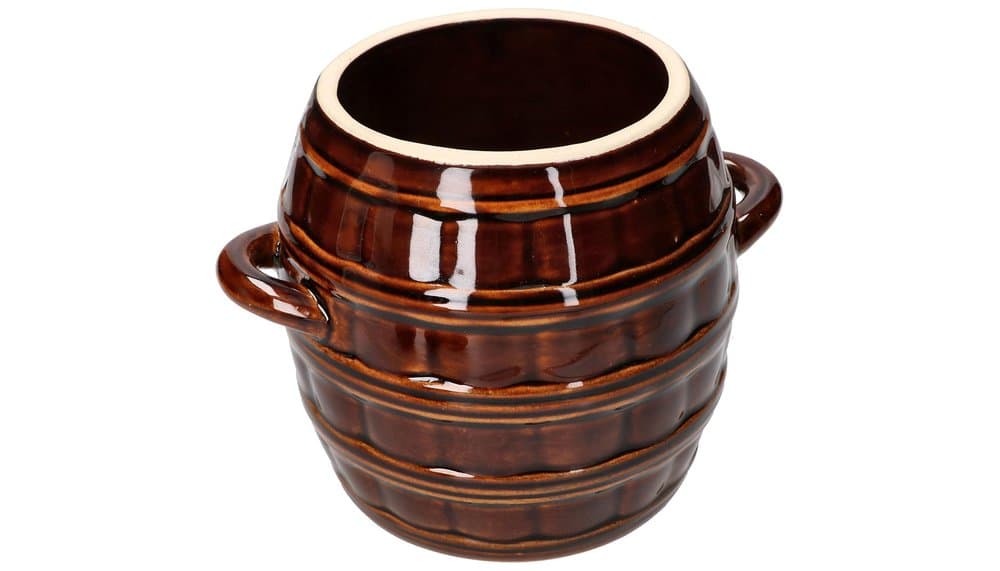
KOTARBAU FKS238 2.5L Fermentation Pot Review
Handcrafted ceramic pot for kimchi, pickles & sauerkraut. A traditional tool for modern, reproducible fermentation results.
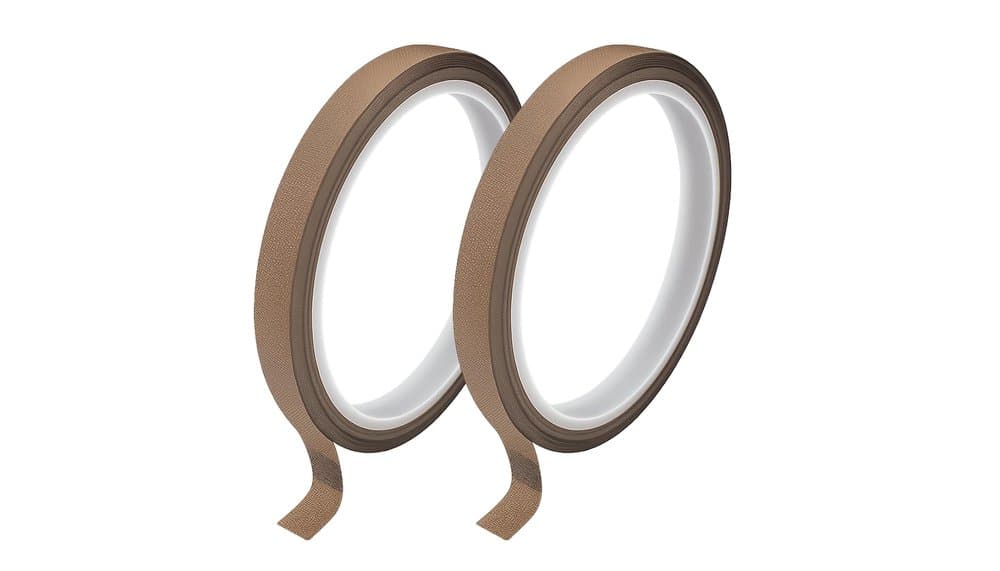
Vacuum Sealer PTFE Tape: Performance Test & Review
Discover how high-temperature PTFE tape is the secret weapon for maintaining and sealing your vacuum sealer, ensuring perfect sous-vide results every time.
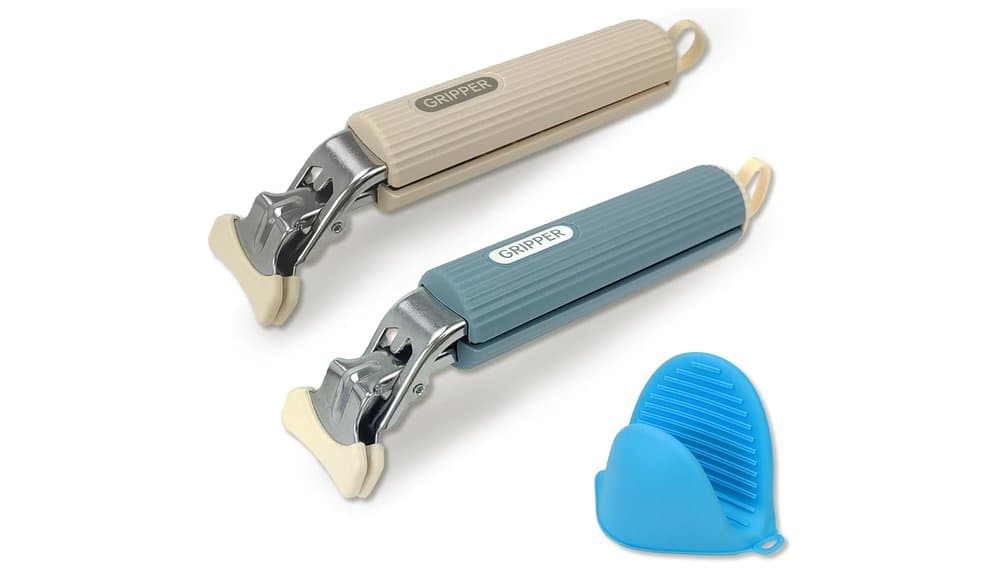
YYMT Kitchen Silicone Tongs Review
High-heat silicone tongs safe for non-stick cookware. Durable alternative to metal or plastic for grilling, cast iron, and sous-vide finishing tasks.
Guides you might like
Bell Jar Vacuum Sealer Buying Guide
Upgrade to a chamber vacuum sealer for professional sous-vide results at home. Perfect for liquids and flawless, long-lasting seals.
Best Beginner Sous Vide Kit
Find the perfect sous-vide starter kit on a budget. Learn the three essential features to look for to cook your first perfect steak without the headache.
Best Vacuum Bags
Choose the right vacuum sealer bags for perfect results. Learn key specs like heat resistance, thickness, and barriers to avoid culinary disasters.